
Analytics tracking tools play a critical role in understanding how users interact with websites, marketing campaigns, and search results. These tools analyze key factors such as user behavior, traffic sources, engagement patterns, and performance metrics. In SEO, they help reveal which keywords attract the most visitors, which pages perform well, and where improvements are needed. This data supports accurate, data-driven decision-making rather than guesswork, helping businesses improve search visibility and overall user experience.
Why Analytics Tracking Tools Are Important:
- Convert raw data into actionable insights
- Identify SEO opportunities and performance gaps
- Support strategic decision-making for content and optimization
- Improve website engagement and conversion rates
- Monitor SEO progress and competitive performance
- With AI integration, they now automate reporting and trend analysis for faster insights
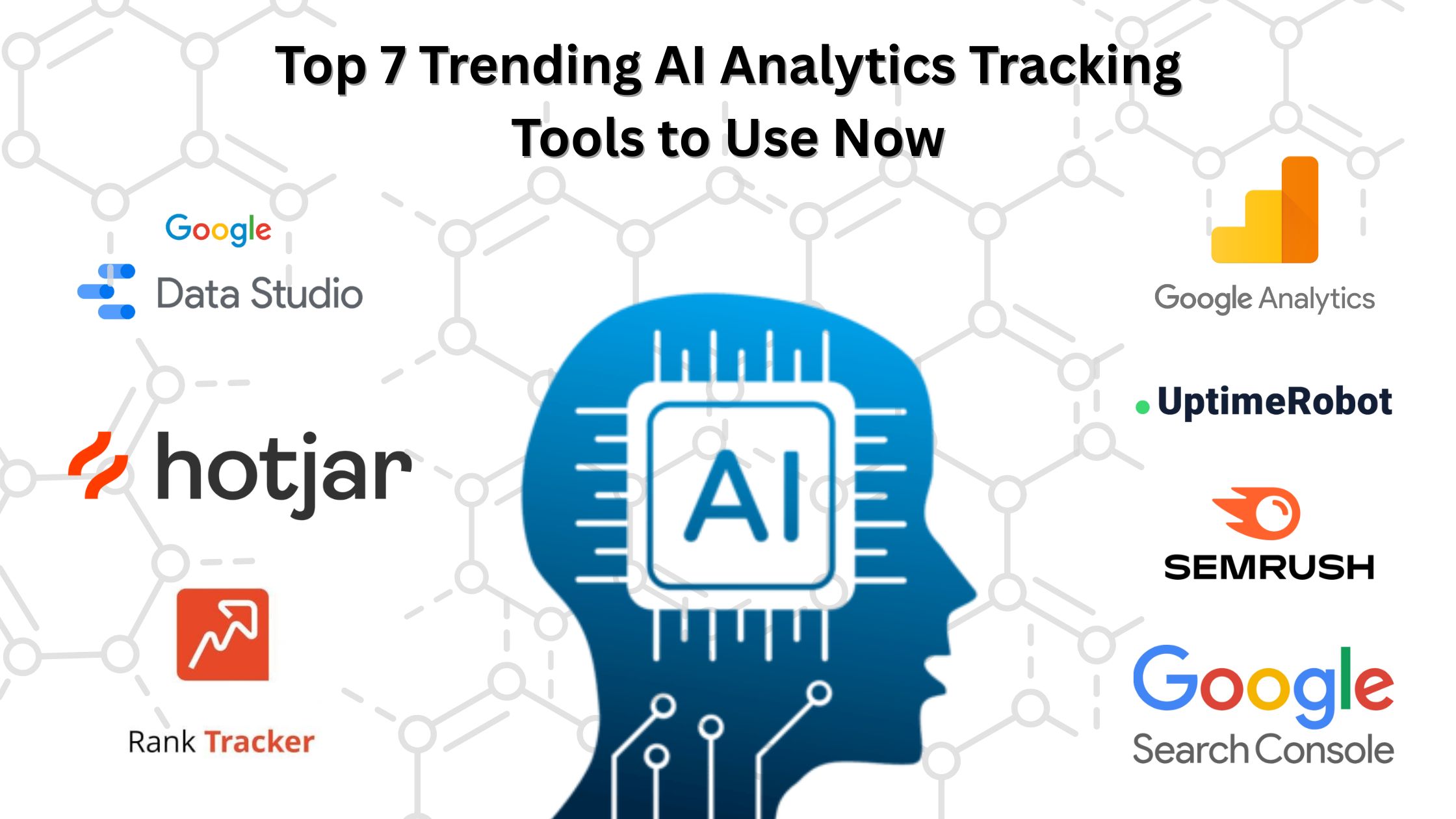
Below are seven AI-powered or AI-supported analytics tracking tools that can help enhance your SEO and digital performance.
-
Google Analytics (GA4)
Why it matters: Tracks how users interact with your website.
Key features:
- Event-based tracking for deeper interaction insights
- AI-powered predictive analytics for forecasting user actions
- User engagement metrics like scroll depth, session duration, and retention
Benefits for SEO: - Helps identify top-performing content
- Shows which traffic channels drive the most conversions
- Supports data-backed content and SEO strategy decisions
Why it matters: Monitors website visibility in Google Search.
Key features:
- Search performance reports (CTR, impressions, clicks, top keywords)
- Index coverage and crawl error tracking
- Mobile usability and Core Web Vitals insights
Benefits for SEO: - Reveals ranking opportunities and keyword gaps
- Helps fix indexing and technical SEO issues
- Improves search ranking stability and page visibility
-
Google Data Studio (Looker Studio)
Why it matters: Turns complex data into easy-to-understand visual dashboards.
Key features:
- Connects to Google Analytics, Search Console, and third-party tools
- Real-time dashboard updates
- Customizable reporting layouts
Benefits for SEO: - Makes performance reporting faster and clearer
- Allows sharing insights with teams and stakeholders
- Helps track long-term SEO progress visually
Why it matters: Monitors keyword performance across devices and regions.
Key features:
- Daily ranking updates
- Competitor ranking comparison
- AI keyword suggestions and SERP feature tracking
Benefits for SEO: - Helps refine keyword strategy
- Identifies content gaps based on competitor trends
- Ensures ranking stability across search variations
Why it matters: Ensures your website stays online and loads quickly.
Key features:
- Uptime monitoring every minute
- Downtime alerts through email/SMS
- Server response speed tracking
Benefits for SEO: - Prevents ranking drops caused by downtime
- Supports faster page experience for users
- Helps maintain site reliability and trust
Why it matters: All-in-one SEO and competitor research platform.
Key features:
- Keyword research and SERP analysis
- Backlink tracking and domain authority insights
- AI-driven site audit and optimization recommendations
Benefits for SEO: - Helps uncover ranking opportunities
- Strengthens link-building strategy
- Improves overall SEO workflow and planning
Why it matters: Shows how users actually behave on your site.
Key features:
- Heatmaps and scroll-depth visual tracking
- Session replays to observe user interactions
- On-page feedback and survey tools
Benefits for SEO: - Identifies UX issues that cause high bounce rates
- Helps optimize layout, CTA placements, and content flow
- Enhances user engagement, boosting SEO performance
Conclusion
AI-backed analytics tracking tools provide clarity, direction, and accuracy for SEO strategies. By using tools like GA4, Search Console, Data Studio, Rank Tracker, UptimeRobot, SEMrush, and Hotjar, businesses can understand user behavior, improve performance, and optimize visibility in search results. To stay ahead in the digital landscape, integrating these tools is no longer optional; it is essential.