

Introduction
In an era where climate change, population growth, and resource scarcity threaten global food production, Artificial Intelligence (AI) is emerging as a powerful ally in ensuring global food security. From precision agriculture to AI-driven supply chain optimization, innovative technologies are transforming how we grow, distribute, and consume food.
The Global Food Crisis: A Growing Challenge
According to the United Nations Food and Agriculture Organization (FAO), over 735 million people faced hunger in 2023. Factors such as climate change, water scarcity, and inefficient farming practices have disrupted agricultural systems worldwide.
To address this crisis, we need data-driven, scalable, and sustainable solutions — and that’s exactly where AI in agriculture steps in.
How AI Is Revolutionizing Agriculture
1. Precision Farming with AI & IoT
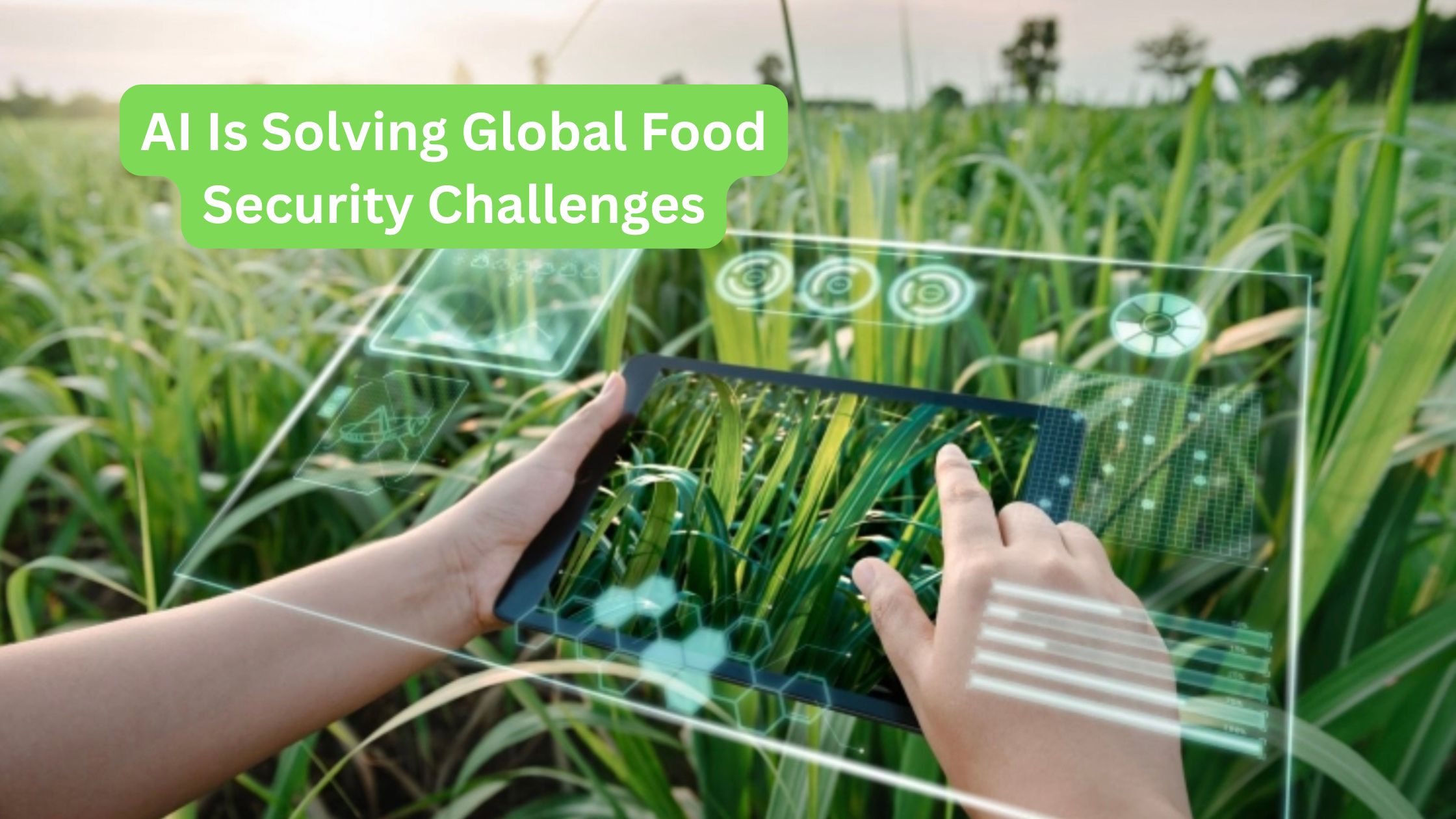
AI-powered tools help farmers make data-backed decisions by analyzing soil health, moisture levels, and crop patterns.
-
Smart sensors and IoT devices collect real-time data.
-
Machine learning algorithms recommend optimal planting times and irrigation schedules.
-
This leads to higher yields, reduced resource wastage, and sustainable farming practices.
2. Predictive Analytics for Climate-Resilient Crops
AI models can predict weather patterns and pest infestations, enabling farmers to take preemptive measures.
-
AI helps develop climate-resilient crop varieties by analyzing genetic data.
-
This reduces dependency on chemical fertilizers and minimizes crop loss.
3. AI in Food Supply Chain Optimization
The global food supply chain suffers from inefficiencies and wastage—nearly 30% of food produced is lost before it reaches consumers.
AI helps optimize the supply chain through:
-
Demand forecasting using big data analytics.
-
AI-powered logistics management for efficient distribution.
-
Blockchain and AI integration to ensure food traceability and transparency.
4. Drones and Computer Vision in Farming
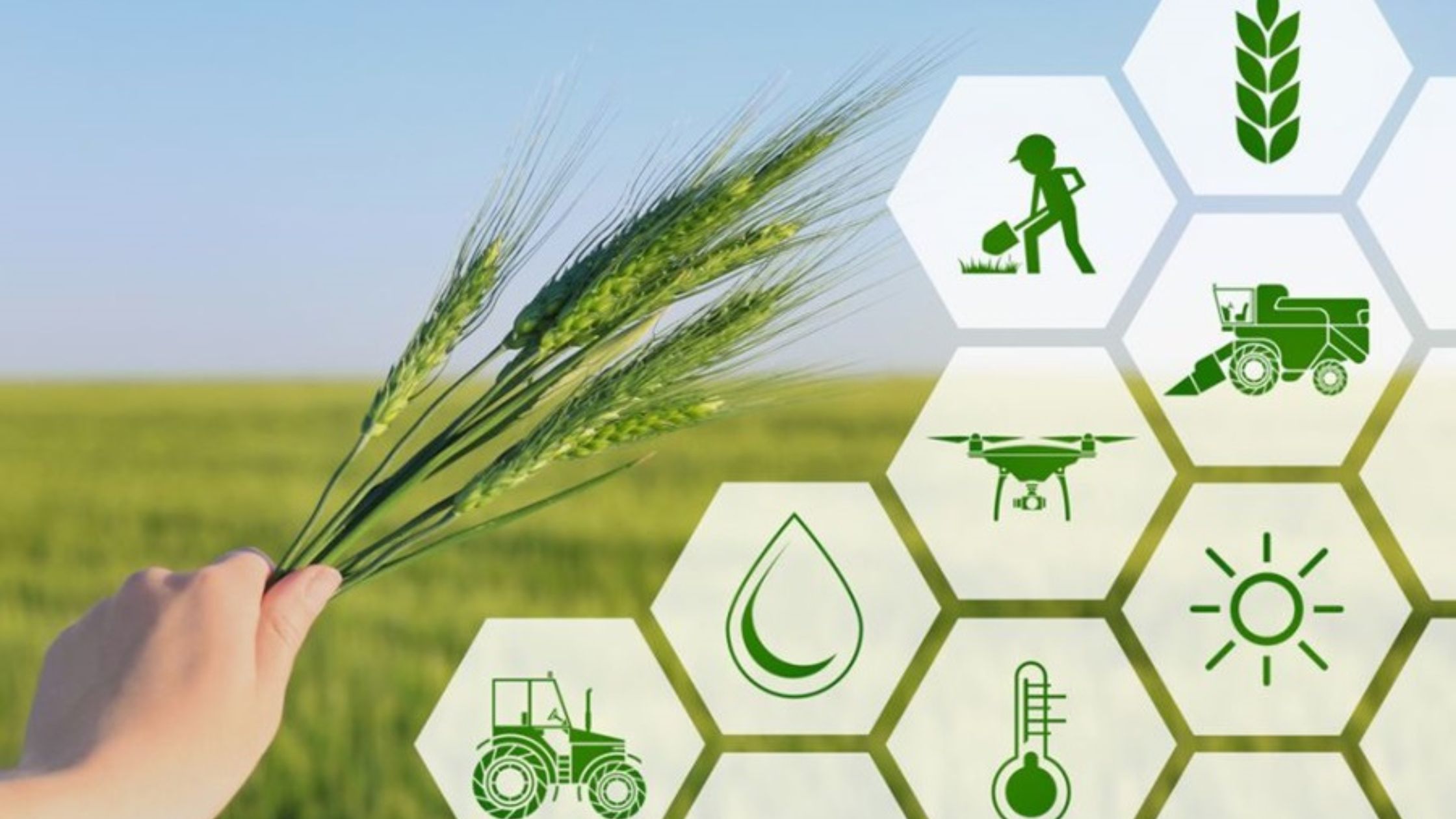
AI-powered drones and computer vision technologies provide aerial imagery for crop health monitoring, pest detection, and yield estimation.
-
This helps farmers act faster and make evidence-based decisions.
-
These technologies are beneficial in large-scale farming and remote agricultural regions.
5. AI for Food Waste Reduction
AI algorithms are now used to analyze consumer demand, optimize inventory management, and even create models to predict food waste.
Companies are using AI to design more efficient distribution networks, ensuring food reaches those who need it most.
The Future of AI in Global Food Security
The combination of AI, robotics, and biotechnology will shape the next wave of smart farming innovations. Governments, startups, and tech giants are collaborating to create AI-driven agricultural ecosystems that can feed a growing population while reducing environmental impact.
Emerging trends include:
-
AI-powered vertical farming and hydroponics
-
Automated greenhouses using machine learning
-
GenAI in agriculture for new crop varieties
Conclusion
AI is not just a technological advancement — it’s a lifeline for global food security. By leveraging artificial intelligence, data analytics, and automation, we can create a resilient and sustainable global food ecosystem. The integration of AI in agriculture is key to feeding the world’s population, improving livelihoods, and safeguarding our planet for generations to come.