

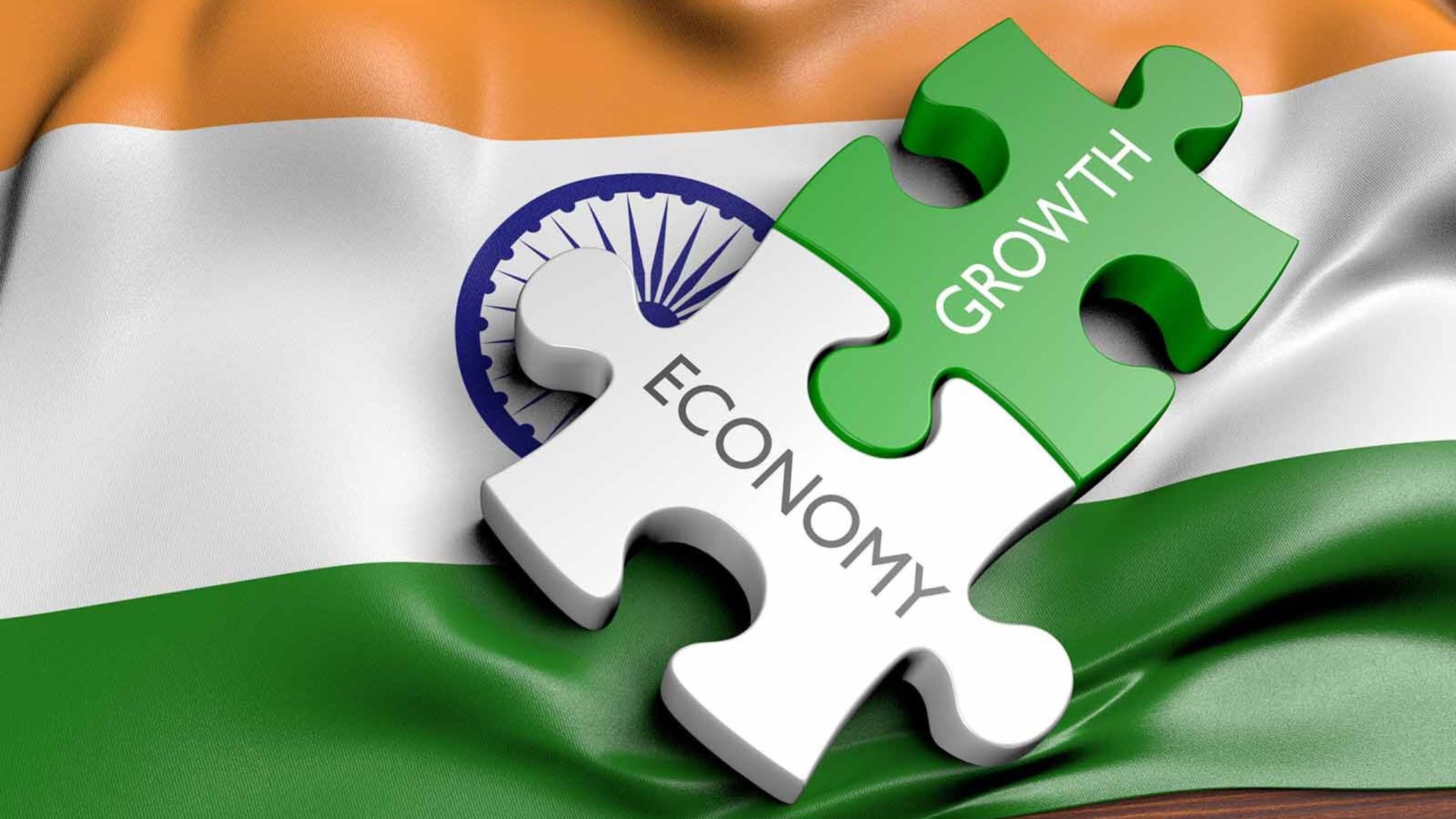
Will US Tariffs Derail India’s Growth Story After FY26? This question is at the center of global discussions as the IMF projects India’s GDP to grow by 6.6% in FY26, even as new U.S. trade tensions loom large, up from earlier estimates — a sign that domestic momentum remains strong despite external headwinds. Yet, lurking in the background is a stark warning: US trade tensions, especially new tariffs on Indian exports, could test India’s economic resilience in FY27 and beyond.
In this post, we examine whether India’s current growth trajectory can withstand mounting U.S. tariff pressures and what strategies it might need to safeguard its path forward.
1. Strong Foundations — For Now
-
India began FY26 on a solid footing, with the April–June quarter showing growth of 7.8% year-on-year.
-
The IMF’s upward revision to 6.6% was justified by “carryover from a strong first quarter more than offsetting the increase in the U.S. effective tariff rate on imports from India.”
-
India’s consumption-led economy, ongoing reforms, infrastructure spending, and evolving trade diversification strategies further bolster confidence in near-term growth.
How US Tariffs Could Derail India’s Growth Story After FY26
While FY26 looks promising, the IMF and many analysts have flagged risks tied to US trade policy:
-
The U.S. has imposed steep tariffs — in some cases up to 50% — on certain categories of Indian goods.
-
These tariffs target key export sectors, including textiles, apparel, gems & jewelry, metals, and others.
-
Exporters are already reacting — some turning to discounting or redirecting business to Europe and other markets to offset lost U.S. demand.
-
Heightened trade policy uncertainty may dampen investment, particularly in export-oriented and capital-intensive sectors.
The core question is: can India’s internal demand and macro stability buffer these external shocksExperts continue to debate: Will US Tariffs Derail India’s Growth Story After FY26 or merely slow it temporarily?
India’s Economic Resilience: Can Growth Withstand US Trade Pressures?
Three factors will largely determine whether India weathers this storm:
a) Domestic Demand & Consumption
India’s growth is increasingly powered by internal consumption. If household spending remains robust, it can offset export declines. Government measures like tax cuts or stimulus can reinforce that.
b) Export Diversification
To reduce dependence on the U.S. market, India must deepen trade ties with the EU, ASEAN, Africa, and other regions. Shifting exports or supply chains could cushion the blow of American tariffs.
c) Policy Response & Fiscal Buffers
Prudent fiscal policy, infrastructure investments, and incentives for industries under stress will be key. Maintaining investor confidence will require a credible roadmap to manage external risks.
4. The FY27 Outlook & Tail Risks
Even though the IMF boosts FY26 projections, it trims expectations for FY27 to 6.2%. This suggests the institution views tariff pressures and trade uncertainty as drag factors.
Risks include:
-
Deepening U.S. protectionism or further escalation in trade friction
-
A global slowdown is reducing demand for Indian exports
-
Volatility in capital flows and currency pressures
-
Delays in structural reforms or infrastructure financing
5. What Must India Do Next?
To prevent a derailment, India would benefit from:
-
Accelerated export diversification — enter new markets, sign trade agreements, and reduce reliance on any one economy
-
Support for vulnerable sectors — provide relief, credit, and incentives for exporters hit hardest by tariff increases
-
Boosting domestic demand — through fiscal stimulus, tax cuts, and welfare measures
-
Strengthening supply chains — upskill manufacturing, logistics, and integrate more deeply in global value chains
-
Clear signaling to investors — ensure policy stability, transparency, and credible fiscal planning
Conclusion
India’s FY26 looks resilient: the India growth forecast remains strong, even in the face of US trade tensions. But the real test comes next year. Ultimately, whether India’s economic resilience holds will depend on how well it adapts, diversifies, and protects its vulnerable sectors. The IMF’s report addresses whether US tariffs could derail India’s growth story after FY26 due to global trade realignments. Moreover, the growth story isn’t guaranteed — yet with the right moves, derailment can be avoided. In the meantime, policymakers must remain vigilant, ensuring that reforms stay on track and support continues for industries under pressure.
learn more at The iPhone 17 & The Great Indian Festival