
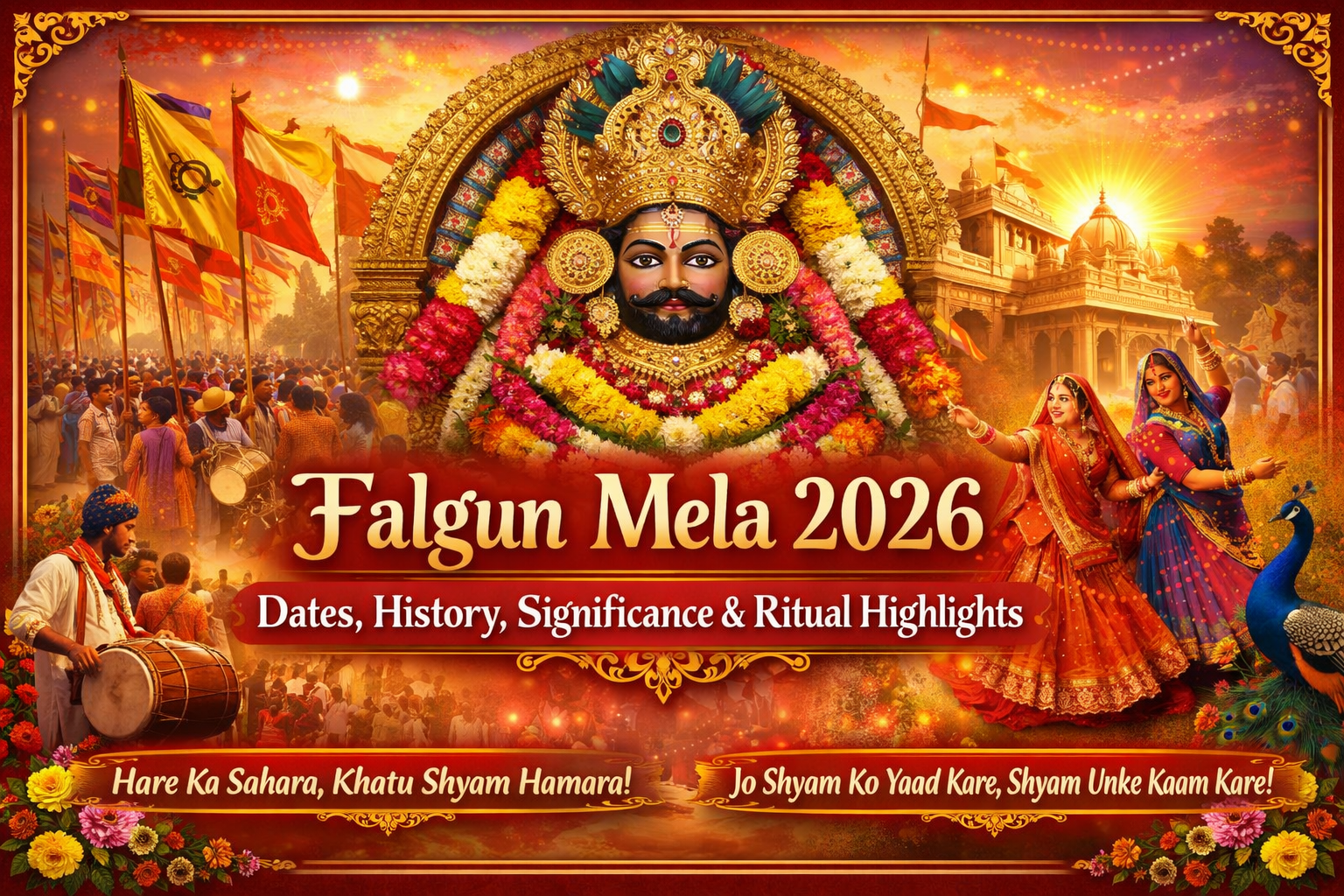
Falgun Mela 2026, also known as Khatu Shyam Falgun Mela or Phagun Mela, is one of the most grand and vibrant devotional fairs in India, dedicated to Baba Shri Khatu Shyam Ji. Celebrated during the spring season, it attracts millions of devotees from across the country, blending devotional rituals, bhajans, cultural festivities, and community feasts. Observed during the Shukla Paksha of Phalgun, the mela symbolizes bhakti, unity, and spiritual celebration, offering devotees a chance to connect deeply with their faith.
Key Dates for Falgun Mela 2026
The mela spans the Phalgun Shukla Paksha, with the most significant day being Aamlaki Ekadashi.
- Phalgun Shukla Paksha begins: Wednesday, February 18, 2026 (Pratipada)
- Main Mela Events: February 19–27, 2026
- Nishan Yatra & Bhandaras start: February 19, 2026 (as per Shri Shyam Parivar announcements)
- Peak activities: February 27, 2026, during Ekadashi
For official schedules and updates, devotees are advised to check khatu.org or follow local notices.
Venue & Devotional Hub
The Shri Khatu Shyam Ji Temple in Khatu village, Sikar district, Rajasthan, serves as the mela’s epicenter. The temple hosts:
- Nishan Yatra & Shobha Yatras
- Extended darshan hours (up to 10 PM during the mela)
- Bhajan gatherings and cultural activities
Even though devotees from across India participate, the temple remains the spiritual heart of the celebration, offering a sacred space for prayer, devotion, and community bonding.
Read more: Shri Girdharlal Ji Vyahula Utsav 2026
Yatra Tradition & Starting Point
One of the most cherished aspects of the Falgun Mela is the Nishan Yatra, in which devotees carry sacred flags (Nishans) as offerings to Baba Shyam.
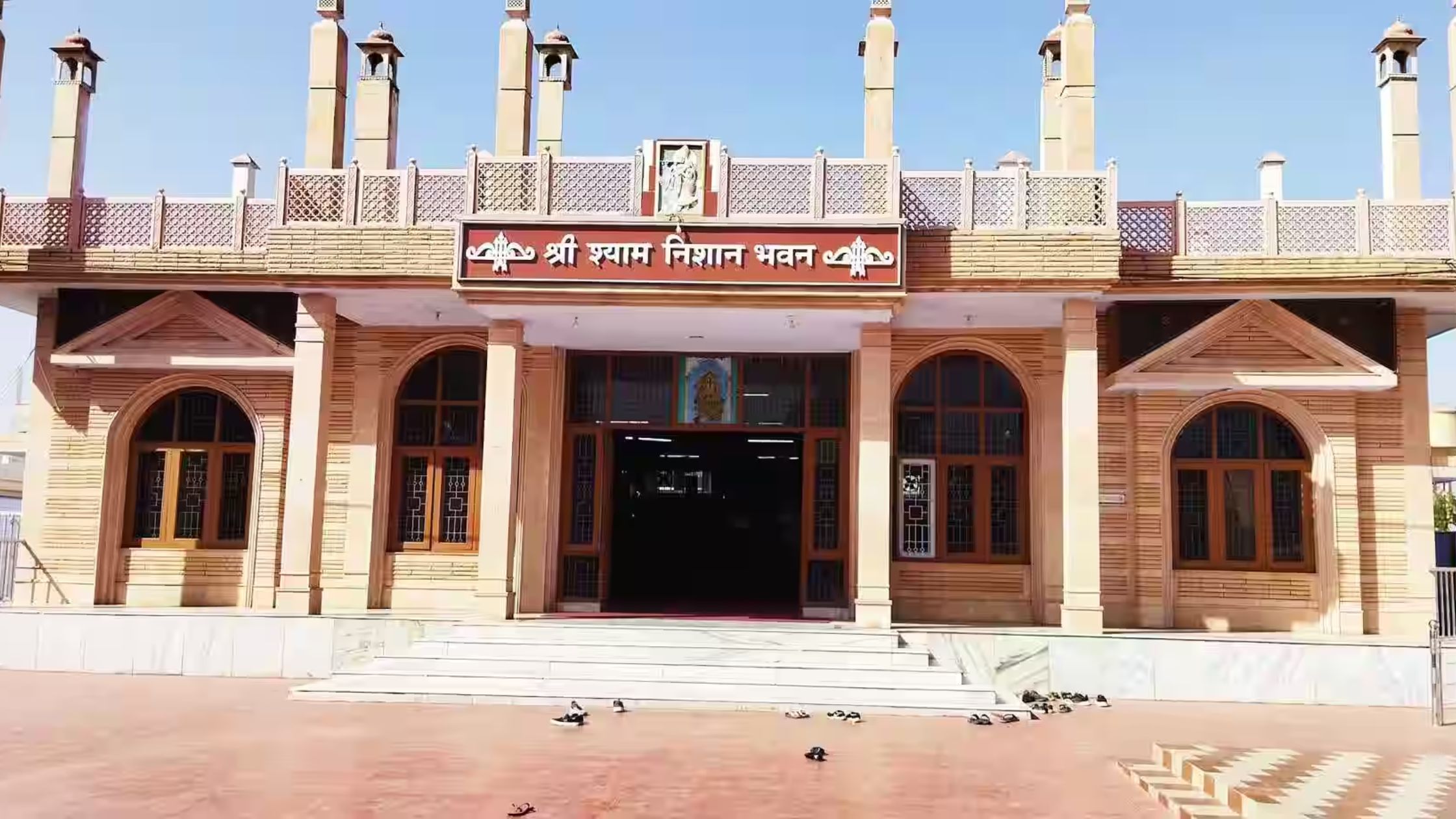
- Many devotees begin their journey from Ringas Nishan Bhawan, turning the path to Khatu (~18 km) into a moving corridor of devotion.
- The entire route echoes with chanting, musical instruments, and yatri groups walking as an act of seva and gratitude.
- Along the way, countless bhandaras, sweets stalls, sharbat counters, water points, and medical camps serve the yatris, keeping alive the spirit of devotion, hospitality, and community support.
Rituals of Nishan Yatra (Detailed Tradition)
The Nishan Yatra is a sacred offering where devotees carry decorated flags (Nishans) dedicated to Baba Shyam, symbolizing surrender to the divine and fulfillment of personal vows (mannat).
Preparation:
- Families and mandals either bring Nishans from their hometown or acquire them at Ringus or Khatu.
- Flags are adorned with bright cloth, floral garlands, sacred threads, bells, silver or golden kalash, and peacock feathers (mor pankh) associated with Shyam Baba.
Sankalp (Intention):
- Before starting, devotees take a sankalp, touching the Nishan to their forehead, chanting Shyam’s name, and mentally offering their vow for blessings and protection.
Yatra Procession:
- Devotees walk in groups chanting slogans, singing bhajans, and playing traditional instruments like dholak, manjira, and harmonium.
- Many walk barefoot as a mark of reverence and humility.
Seva on the Route:
- Along the journey, bhandaras and seva stalls provide free food, sweets, fruits, snacks, water, sharbat, and medical aid.
- Serving pilgrims is considered a direct seva to Baba Shyam, exemplified by organized efforts like those of Shri Shyam Parivar (Feb 19–27).
Offering at Darbar:
- Upon reaching the Khatu main gate and temple, Nishans are respectfully offered to the Shyam Darbar.
- Priests and volunteers assist in receiving the flags, marking the completion of vows, while devotees express gratitude and seek blessings for future well-being.
How Big Can a Nishan Be?
- Nishans range in size from small and easy to carry to 15–25 feet or more, sometimes requiring multiple people to balance.
- Larger Nishans symbolize stronger devotion and patience, creating a visually stunning procession.
History & Significance
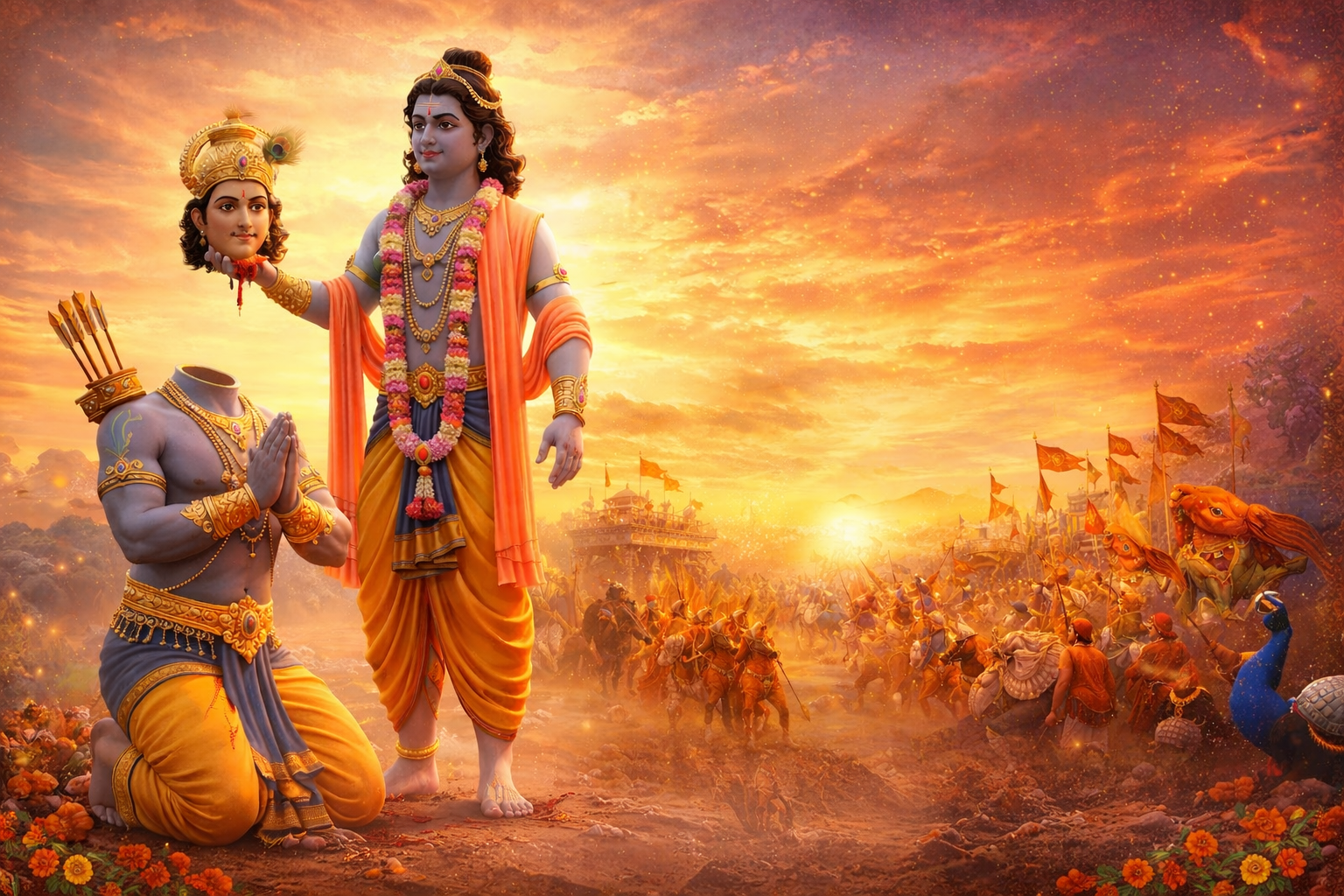
The Falgun Mela traces its origin to Barbarika, grandson of Bhima from the Mahabharata, a young warrior famed for his courage and devotion to dharma. Blessed with three powerful arrows, he vowed to support the weaker side in battle. Before the Kurukshetra war, Lord Krishna tested him and realized his power could end the war instantly. To preserve dharma, Barbarika offered his head as a sacrifice. Pleased with his devotion, Krishna blessed him to be worshipped in Kaliyuga as Shyam, the one who fulfills devotees’ wishes. The sacred head manifested at Khatu, leading to the construction of the Shri Khatu Shyam Ji Temple, making the village a major pilgrimage and spiritual hub, celebrated annually with the grand Falgun Mela.
The mela today symbolizes:
- Spiritual surrender
- Unity among devotees
- Rajasthan’s traditional fair culture, reinforced by bhajan gatherings, community feasts, and Holi-season festivities
Schedule & Rituals During Mela
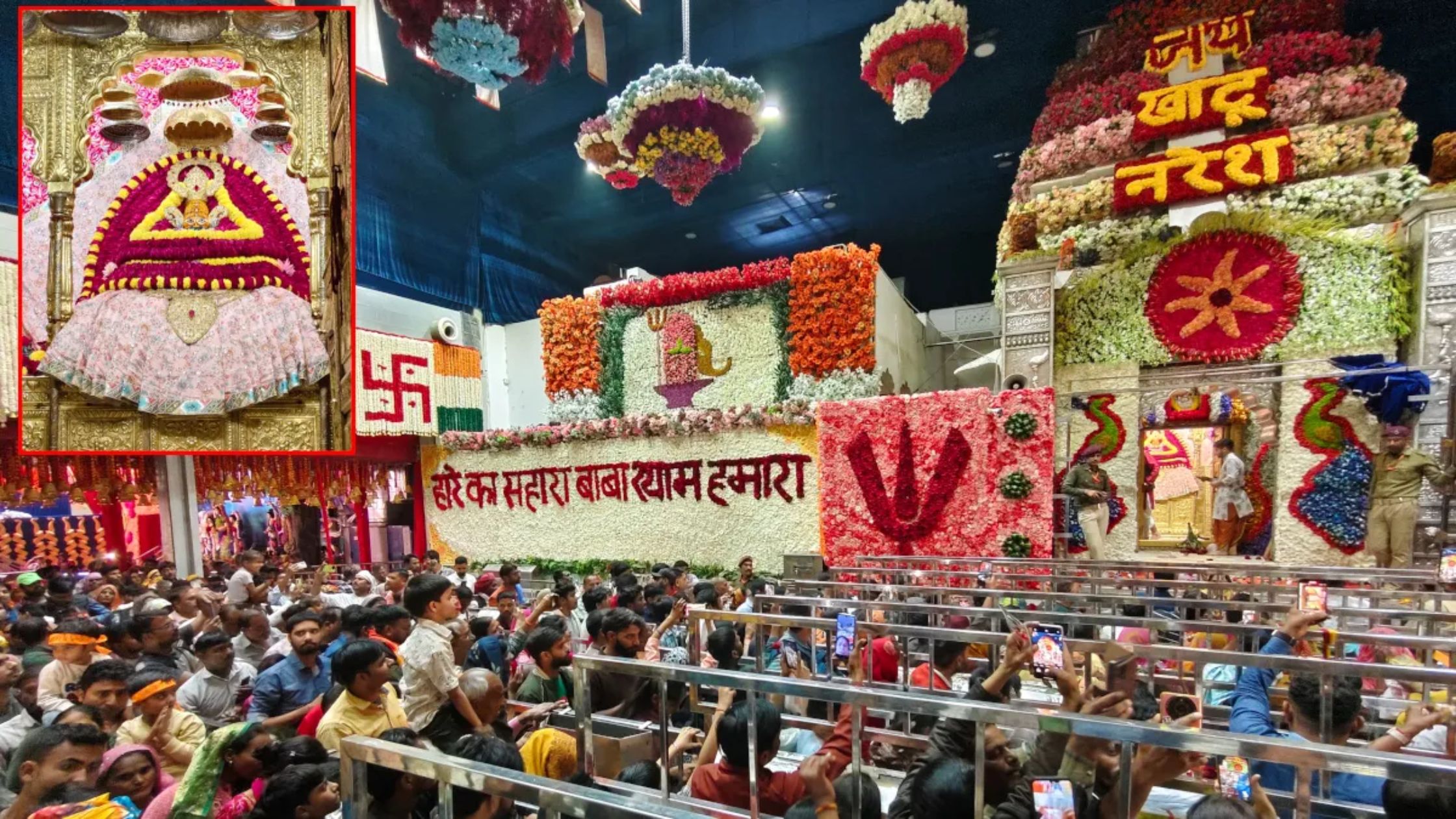
Preparations begin early with the Nishan Yatra from Feb 19. The temple extends darshan hours (4 AM – 10 PM) to accommodate devotees.
Major daily rituals include:
- Mangla Aarti: 4:30 AM
- Bhog Aarti: 12:00 PM
- Sandhya Aarti: 7:30 PM
Ekadashi (Feb 27, 2026) is the emotional and spiritual climax, marked by:
- Heightened bhakti
- Crowded darshan
- Grand spiritual processions
Read more: Ekadashi No Rice Rule vs Makar Sankranti Khichdi 2026
Visitor Tips
- Expect peak crowds during Ekadashi (Feb 27)
- Weekdays are better for smooth darshan
- Carry ID for security checks
- Respect temple rituals, queues, and local guidelines
- Enjoy prasad, sweets & festive delicacies at bhandaras like Shri Shyam Parivar at Ringus Road
- Follow traffic and official advisory updates
Cultural Significance Today
Falgun Mela continues to be one of Rajasthan’s most iconic devotional gatherings, combining:
- Faith and devotion
- Seva and community support
- Cultural vibrancy and festive joy
As devotees often say:
“Hare Ka Sahara, Khatu Shyam Hamara”
“Jo Shyam Ko Yaad Kare, Shyam Unke Kaam Kare.”