


For decades, marriage has been considered one of the most important milestones in Indian life. After completing education and securing a stable job, the next expected step was often marriage. However, the mindset of younger generations in India is slowly evolving. In 2026, many young people are choosing to stay single longer or delay marriage because their priorities, ambitions, and lifestyles are changing.
This shift does not necessarily mean people no longer believe in love or companionship. Instead, it reflects a growing awareness that personal growth, emotional well-being, and financial stability are just as important as traditional expectations. In today’s fast-paced and competitive world, staying single can offer several advantages that allow individuals to build a stronger foundation for their future.
Changing Marriage Trends in India
Attitudes toward marriage in India are gradually changing. Urbanization, career opportunities, higher education, and exposure to global cultures have influenced how young people view relationships and commitment.
Many professionals in cities like Bengaluru, Mumbai, Delhi, and Hyderabad are focusing on career development, financial independence, and personal experiences before considering marriage. The average age of marriage is also increasing, especially among educated professionals.
Instead of seeing marriage as a mandatory life step, many people now view it as a personal choice that should happen at the right time with the right partner.
Learn more: How Young Indians Use Astrology
1. Freedom to Focus on Career
One of the biggest advantages of staying single today is the ability to focus entirely on career goals. India’s job market is becoming increasingly competitive, particularly in sectors like technology, finance, startups, and digital industries.
Young professionals often move between cities or even countries to pursue better opportunities. Being single allows individuals to take career risks, switch industries, pursue higher education, or start businesses without worrying about family responsibilities.
For example, many professionals working in India’s startup ecosystem dedicate years to building companies or advancing their careers before thinking about settling down.
2. Financial Independence and Stability
Marriage in India often comes with significant financial responsibilities. From wedding ceremonies that can cost lakhs or even crores to housing and family expenses, financial pressure can be substantial.
Many young people now prefer building financial security before entering marriage. Staying single allows individuals to invest in their future by saving money, buying property, or starting businesses.
Instead of spending heavily on weddings, some individuals prioritize travel, investments, and professional development.
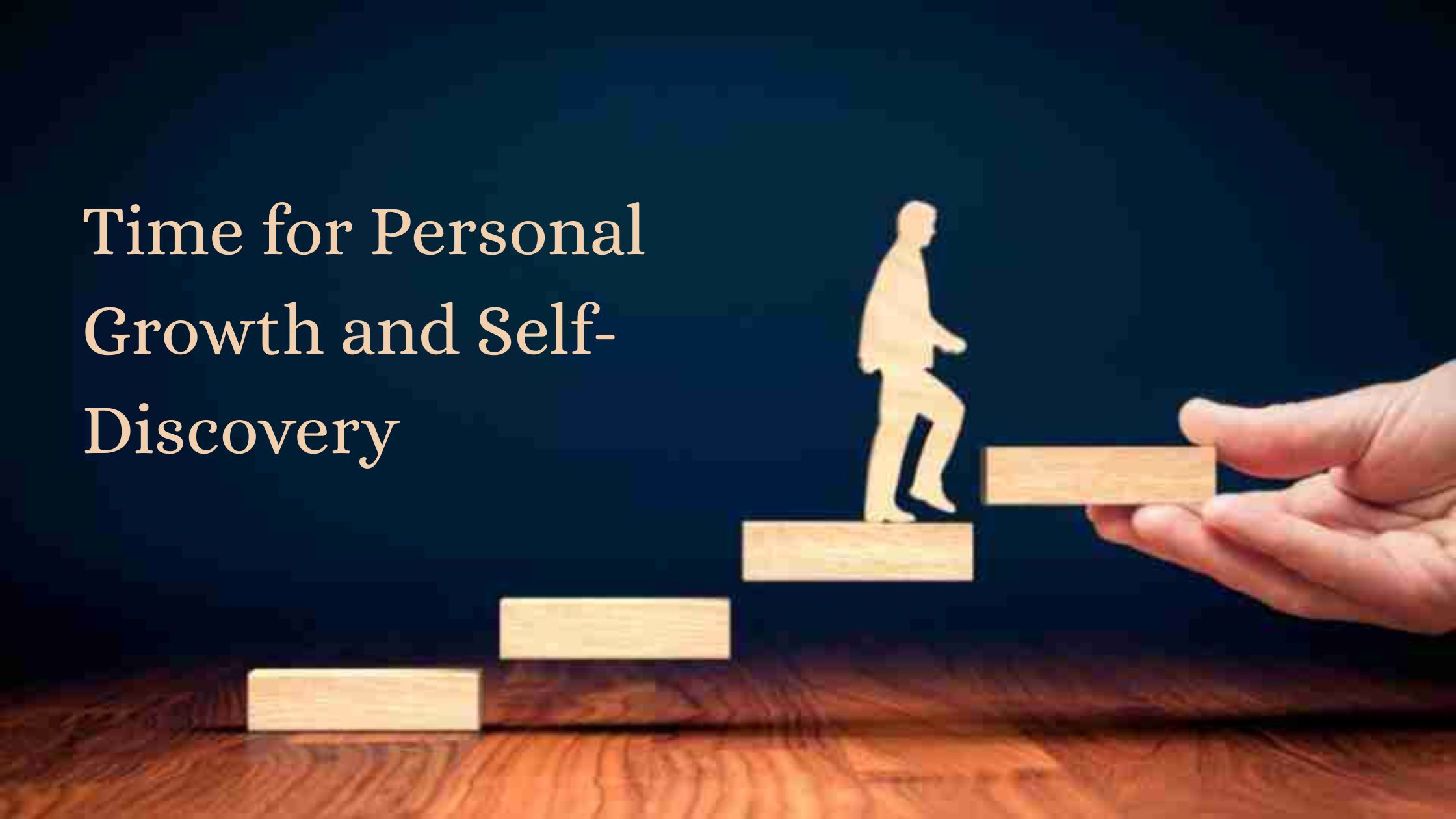
3. Time for Personal Growth and Self-Discovery
The twenties and early thirties are often the most important years for personal growth. During this time, people explore their interests, passions, and long-term goals.
Being single provides the freedom to focus on self-development without compromising personal ambitions. Individuals can travel, pursue hobbies, build new skills, and explore different career paths.
This trend is particularly common among urban youth who value independence and self-discovery.
4. Better Mental Health and Reduced Pressure
Marriage can bring companionship and happiness, but it can also introduce emotional stress if individuals are not fully prepared for the responsibilities involved.
Mental health awareness has increased significantly in India, and many young people are prioritizing emotional stability before making lifelong commitments. Staying single allows individuals to work on personal well-being and avoid relationship pressure until they feel truly ready.
5. Freedom to Travel and Explore Opportunities
The modern world offers more opportunities than ever before. Remote work, international careers, and digital entrepreneurship have made mobility an important part of professional life.
Being single provides flexibility to relocate for work, travel frequently, or explore new opportunities without worrying about family commitments.
Many Indian professionals now work remotely or take advantage of global opportunities, something that can be easier when individuals are not tied down by major family responsibilities.
Read more: 6 reasons why you should travel to a peaceful place?
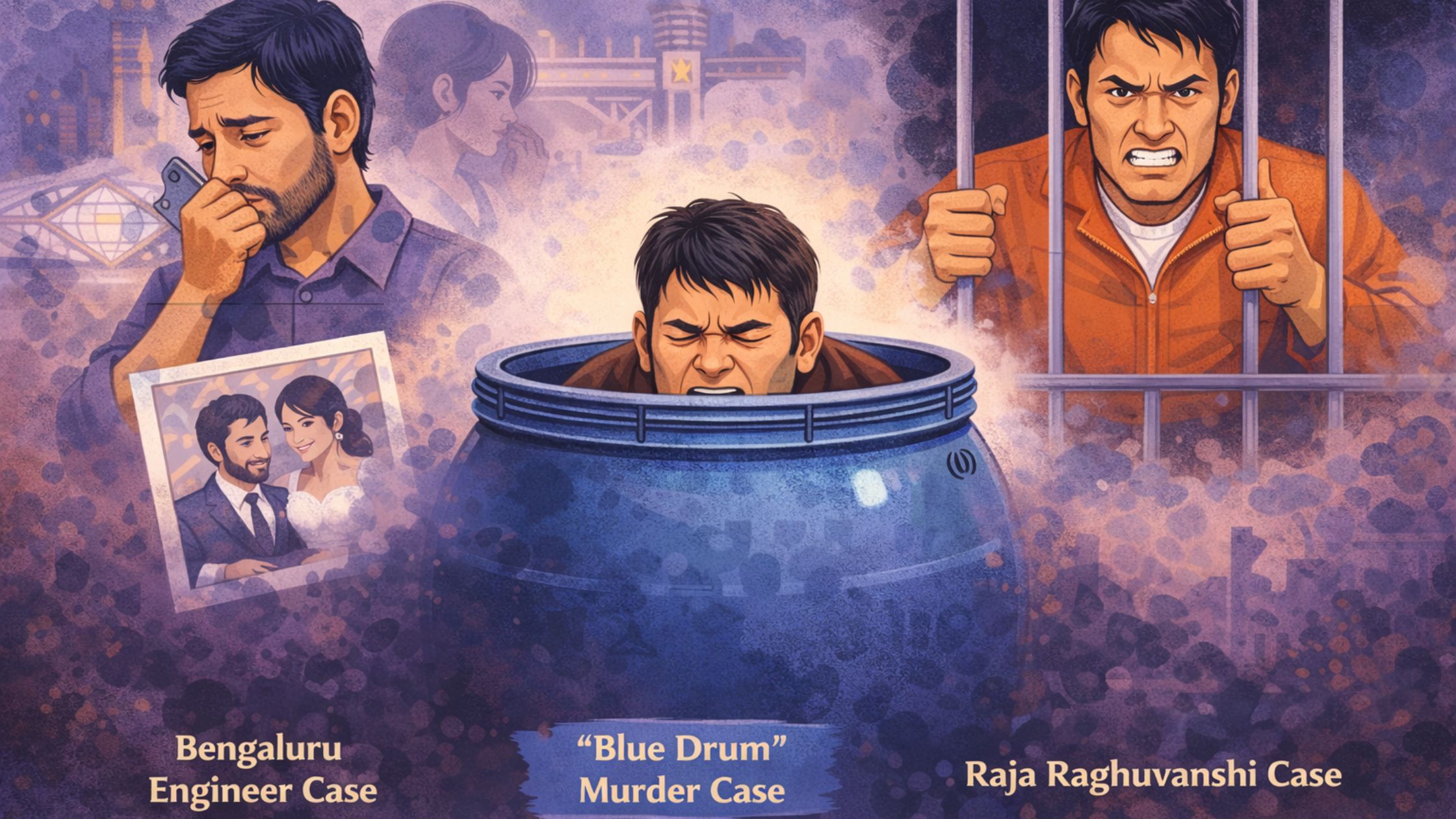
Recent Real-Life Cases in India Reflecting Changing Attitudes Toward Marriage
In recent years, several real-life incidents in India have sparked discussions about relationships, marriage pressure, and compatibility. While these cases do not represent all marriages, they have influenced how many young people think about long-term commitments.
The Bengaluru Engineer Case
In 2024, the tragic death of Bengaluru-based engineer Atul Subhash drew nationwide attention. Reports suggested that he had been facing prolonged emotional and legal stress related to marital disputes. The case sparked intense discussions across social media about mental health, relationship conflicts, and the importance of emotional readiness before marriage.
The “Blue Drum” Murder Case
Another shocking incident widely discussed across India involved Sourav, often referred to in news discussions as the “blue drum case.” In this case, a man was allegedly murdered and his body hidden inside a blue plastic drum in an attempt to conceal the crime.
The disturbing nature of the incident quickly went viral and triggered conversations about toxic relationships, warning signs in unhealthy partnerships, and the importance of understanding a partner before entering a serious commitment.
The Raja Raghuvanshi Case
The case involving Raja Raghuvanshi also gained significant attention due to serious marital conflicts and allegations within the relationship. The incident sparked debates online about compatibility issues, relationship expectations, and how unresolved conflicts between partners can escalate into major disputes.
Matrimonial Fraud Targeting Professionals
In another recent incident from Pune, a man pretending to be an ISRO scientist reportedly cheated a software engineer of more than ₹40 lakh through a matrimonial website. Using fake credentials and promises of marriage, he gained the victim’s trust before committing fraud.
This case highlighted the risks associated with online matchmaking platforms and reminded people to approach such arrangements with caution.
Forced Marriage Incidents
In some parts of India, individuals still face pressure to marry against their wishes. In 2026, authorities in Maharashtra reportedly rescued a young woman who had allegedly been abducted and forced into marriage.
Cases like these highlight why many young people emphasize personal choice and consent when it comes to marriage decisions.
Cultural Shifts Among Younger Generations
Modern Indian culture is gradually changing. Younger generations are redefining what success and happiness mean in life.
While marriage is still valued, it is no longer seen as the only path to fulfilment. Many young adults believe that personal happiness, mental health, and career satisfaction are equally important.
Urban lifestyles, social media exposure, and evolving social values have contributed to this shift in perspective.

Avoiding Social Pressure and Forced Decisions
In many Indian families, young adults are often asked about marriage once they reach their mid-twenties. Although this expectation comes from cultural traditions, it can sometimes create pressure.
By choosing to stay single until they are emotionally and financially ready, individuals can avoid rushed decisions that may lead to unhappy relationships later.
Taking time to make thoughtful decisions often leads to healthier and more stable relationships.
Finding Balance: Single by Choice, Not by Fear
Choosing to stay single does not mean rejecting love or relationships. Instead, it reflects a modern mindset where individuals want to be fully prepared before entering marriage.
Many young Indians still value marriage but prefer entering it at the right time with the right partner.
The key idea is that happiness should not be measured solely by marital status.
Conclusion
In the fast-paced world of 2026, staying single can offer several advantages including personal freedom, career focus, financial independence, and improved mental well-being.
Real-life incidents and changing social attitudes have encouraged many young Indians to rethink traditional timelines for marriage. Instead of rushing into lifelong commitments, individuals are choosing to build strong personal foundations first.
Marriage will always remain an important institution in Indian society. However, the modern generation increasingly believes that the decision should come from personal readiness rather than social pressure. Whether someone chooses to marry early, later in life, or remain single, the ultimate goal is the same—to live a balanced, fulfilling, and meaningful life.
Read more: Workplace Stress in India