

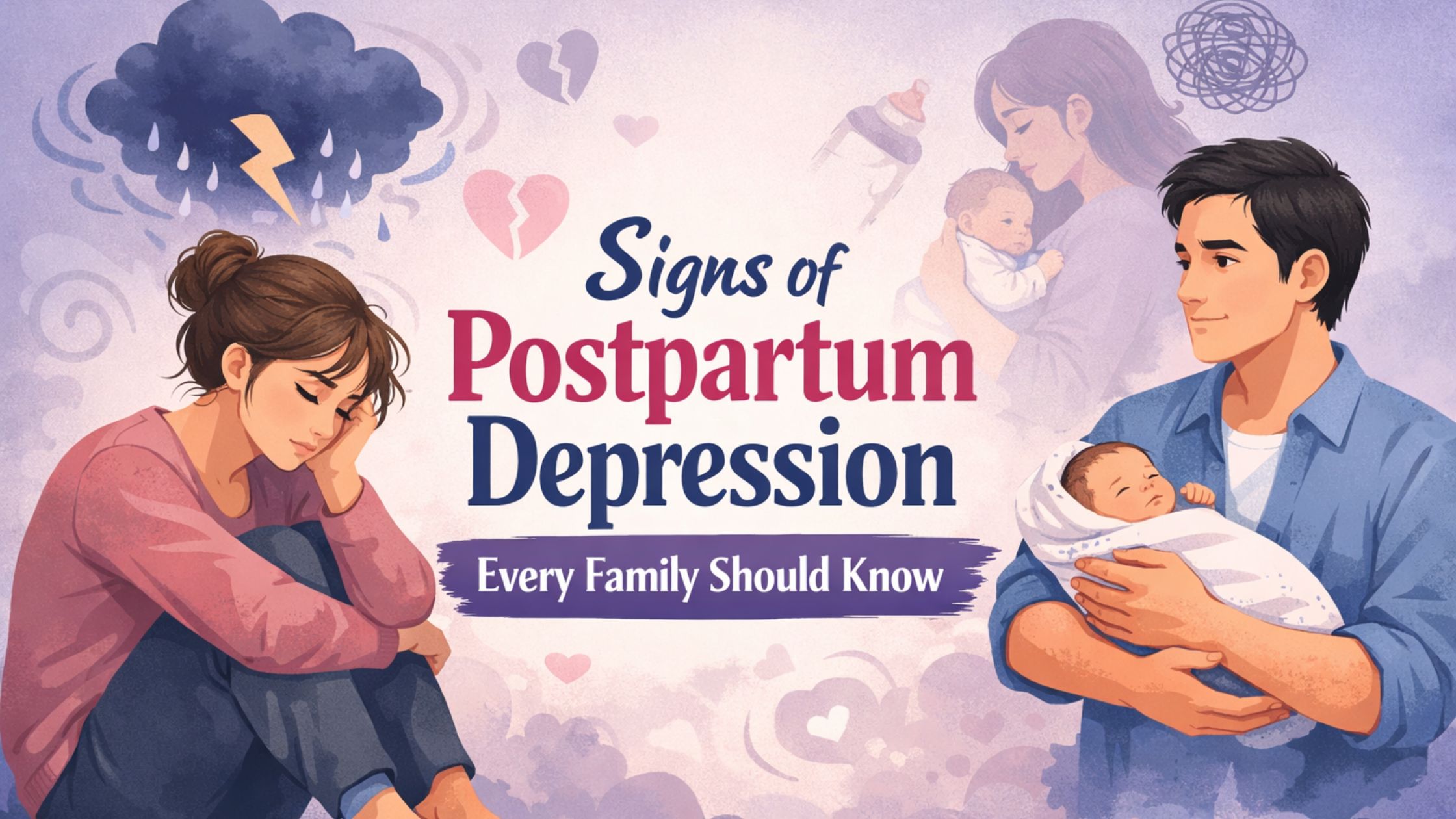
Welcoming a baby into the family is often described as one of the happiest moments in life. However, for many new mothers, the weeks and months after childbirth can bring unexpected emotional and mental challenges. While mood swings and emotional changes are common after delivery, some women experience deeper and more persistent feelings that may signal postpartum depression. Recognizing the signs early can help families provide the support and care that new mothers need.
Read more: Things To Avoid During Pregnancy
Understanding Postpartum Depression
Postpartum depression is a serious mental health condition that can develop after childbirth. It goes beyond the short-term emotional changes often known as “baby blues,” which usually fade within a couple of weeks. Postpartum depression can last for months and significantly affect a mother’s emotional well-being, daily functioning, and ability to care for herself and her baby.
Many families assume that sadness after childbirth is simply part of the adjustment period, but untreated postpartum depression can impact the entire household. That is why awareness and early recognition are extremely important.
Emotional Signs to Watch For
One of the most noticeable signs of postpartum depression is a persistent feeling of sadness. A new mother may appear emotionally withdrawn, overwhelmed, or hopeless. These feelings often last most of the day and continue for weeks rather than improving over time.
Other emotional signs may include:
- Constant feelings of sadness or emptiness
- Frequent crying without a clear reason
- Irritability or anger toward loved ones
- Feeling disconnected from the baby
- Loss of interest in activities that once brought joy
Families might notice that the mother no longer enjoys spending time with others or struggles to feel excited about the baby. These emotional changes can be confusing and frightening, especially if she expected motherhood to feel completely joyful.

Physical and Behavioural Changes
Postpartum depression often affects physical health and daily habits as well. A mother experiencing depression may have significant changes in sleep patterns. While sleep disruption is normal with a new born, postpartum depression can cause either severe insomnia or excessive sleeping.
Some other physical and behavioural signs include:
- Extreme fatigue or lack of energy
- Difficulty concentrating or making decisions
- Loss of appetite or overeating
- Neglecting personal care
- Avoiding family and friends
When these behaviours continue for several weeks, they may indicate that the mother needs additional emotional support or professional help.
Learn more: How to prevent miscarriage during pregnancy?
Feelings of Guilt or Inadequacy
Another common sign of postpartum depression is intense guilt. A mother may feel like she is not a good parent or that she is failing her baby. Even small challenges, such as difficulty calming the baby or breastfeeding issues, can make her feel overwhelmed.
These feelings often include:
- Believing she is not a “good enough” mother
- Feeling ashamed about struggling emotionally
- Thinking others would be better parents than she is
- Constantly worrying about the baby’s well-being
Such thoughts can lead to increased anxiety and emotional distress. Families should remember that these feelings are symptoms of depression, not reflections of a mother’s love or dedication.
Difficulty Bonding With the Baby
Most parents expect an immediate emotional connection with their new born. However, postpartum depression can make bonding more difficult. Some mothers may feel emotionally distant or numb when interacting with their baby.
This does not mean the mother does not care about her child. Depression can make it hard to experience joy, warmth, and attachment in the same way. With proper treatment and support, bonding usually improves over time.
Severe Warning Signs
In some cases, postpartum depression can become more serious. A mother may begin having thoughts about harming herself or worrying excessively about the baby’s safety.
Warning signs that require immediate attention include:
- Thoughts of self-harm
- Thoughts about harming the baby
- Feeling completely hopeless about the future
- Severe anxiety or panic attacks
If these signs appear, it is important for family members to seek professional medical help immediately. Early intervention can protect both the mother and the baby.

How Fathers or Partners Can Help
A father or partner plays a crucial role in supporting a mother experiencing postpartum depression. Emotional support, understanding, and patience from a partner can make a huge difference in the recovery process.
Partners can help in several ways:
- Be attentive and supportive: Listen to the mother’s feelings without judgment. Let her know that it’s okay to talk openly about her emotions.
- Share parenting responsibilities: Taking part in feeding, diaper changes, and soothing the baby can reduce the mother’s physical and mental stress.
- Encourage rest: New mothers often feel exhausted. Partners can help by allowing them time to sleep, relax, or take short breaks.
- Offer reassurance: Remind the mother that she is doing a good job and that she is not alone in this journey.
- Encourage professional help: If symptoms persist, gently encourage seeking help from a doctor, therapist, or counselor.
Small acts of care and understanding from a partner can significantly improve a mother’s emotional well-being and strengthen the family bond.
How Families Can Help
Family support also plays a huge role in helping mothers recover from postpartum depression. Loved ones should approach the situation with patience, understanding, and compassion rather than judgment.
Helpful ways families can support a mother include:
- Listening to her feelings without dismissing them
- Helping with baby care and household tasks
- Encouraging her to rest and take breaks
- Supporting her in seeking professional help if needed
- Reminding her that she is not alone
Even small gestures, such as offering reassurance or giving her time to relax, can make a significant difference.
When to Seek Professional Help
If symptoms of postpartum depression last longer than two weeks or begin interfering with daily life, it is important to consult a healthcare professional. Doctors, mental health counselors, and support groups can provide guidance and treatment options.
Treatment may include counseling, therapy, lifestyle adjustments, or in some cases medication. With the right support, most mothers recover and go on to enjoy healthy and fulfilling relationships with their children.

Final Thoughts
Postpartum depression is more common than many people realize, and it can affect mothers from all backgrounds. Recognizing the warning signs early allows families to provide the understanding and care that new mothers need during this vulnerable time.
Motherhood is a major life transition, and emotional struggles after childbirth do not mean someone is weak or incapable. With compassion, open communication, and proper support from partners and family members, mothers can navigate postpartum challenges and build a healthy, loving environment for both themselves and their babies.
Read more: Chandra Grahan March 2026