
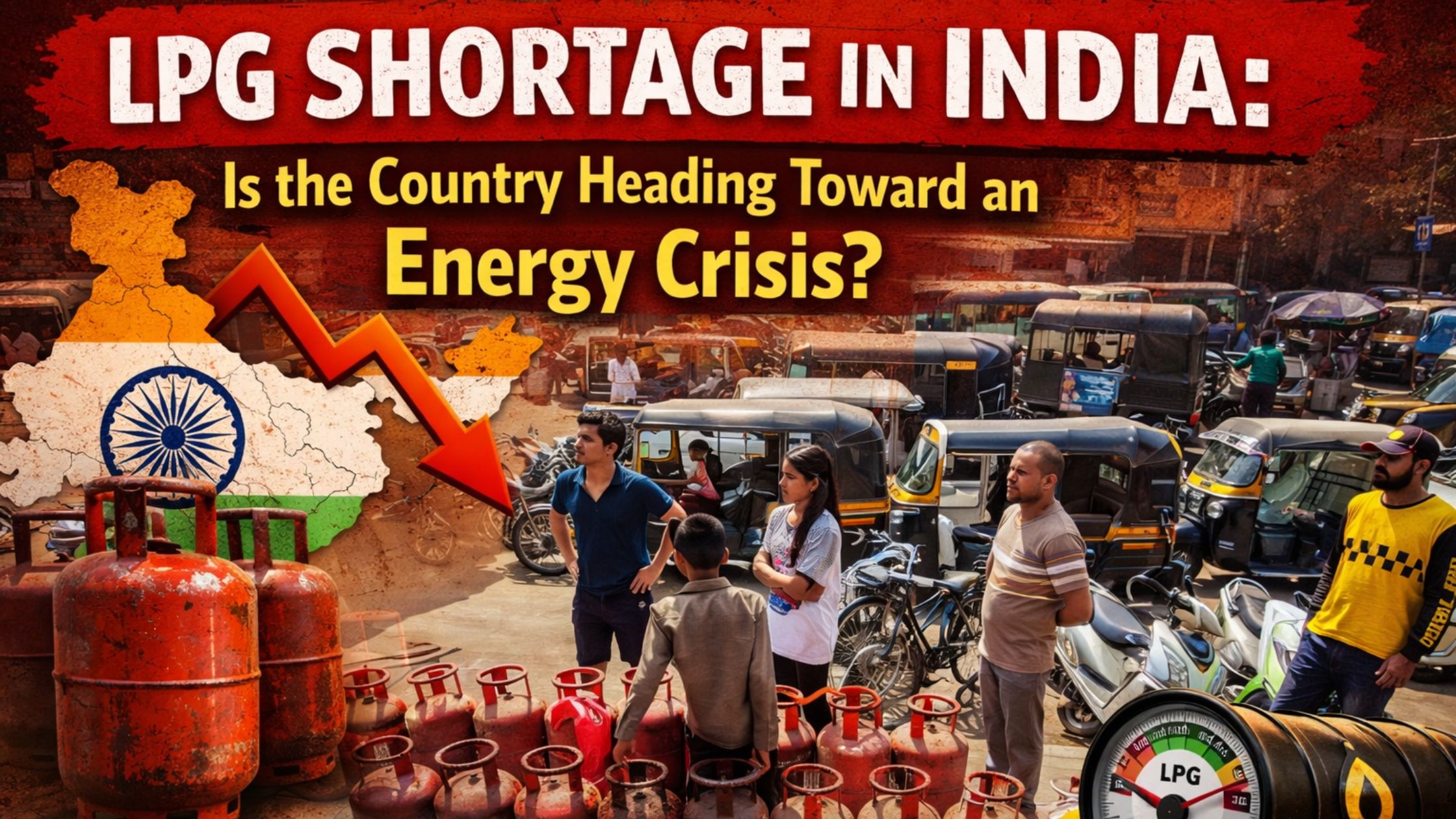
In recent weeks, headlines across India have raised concerns about an LPG (Liquefied Petroleum Gas) shortage in several cities. Reports of restaurants reducing operations, long queues at gas agencies, and discussions about global energy disruptions have sparked a critical question: Is India heading toward an energy crisis?
While the situation has created anxiety among households and businesses, the reality is more complex. Some supply disruptions have been reported, but the government maintains that India is not facing a nationwide LPG crisis. Understanding what is actually happening requires looking at global energy markets, domestic policies, and official government statements.
What Is LPG and Why It Matters in India
LPG is one of the most widely used fuels in India. It is primarily used for cooking in households and restaurants, making it essential for daily life.
Government programs such as Pradhan Mantri Ujjwala Yojana have expanded LPG access to millions of households, especially in rural areas. This scheme, launched in 2016, helped provide cooking gas connections to millions of low-income families, increasing the country’s reliance on LPG as a clean cooking fuel.
Because of this widespread use, even small disruptions in LPG supply can quickly create national concern.
Why Are LPG Shortage Concerns Emerging?
Several factors have contributed to the recent LPG supply worries in India.
1. Global Energy Tensions
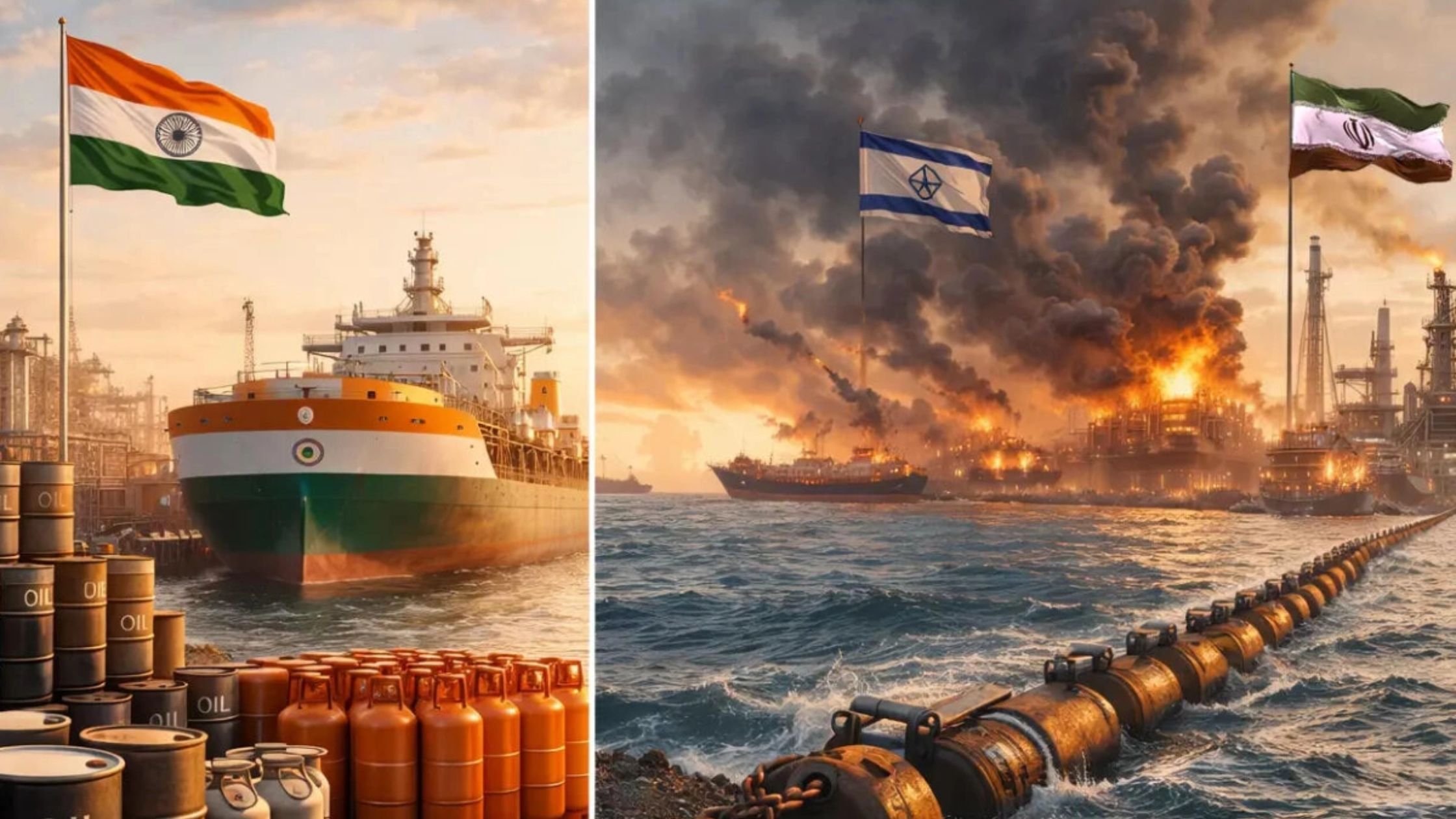
One of the biggest reasons is geopolitical conflict in the Middle East. Much of the world’s oil and gas passes through the Strait of Hormuz, a critical shipping route.
When tensions increase in that region, energy shipments and supply chains become uncertain, affecting countries like India that depend heavily on imports.
India imports a large portion of its LPG and crude oil, making it vulnerable to global supply disruptions.
2. Disruptions in Commercial LPG Supply
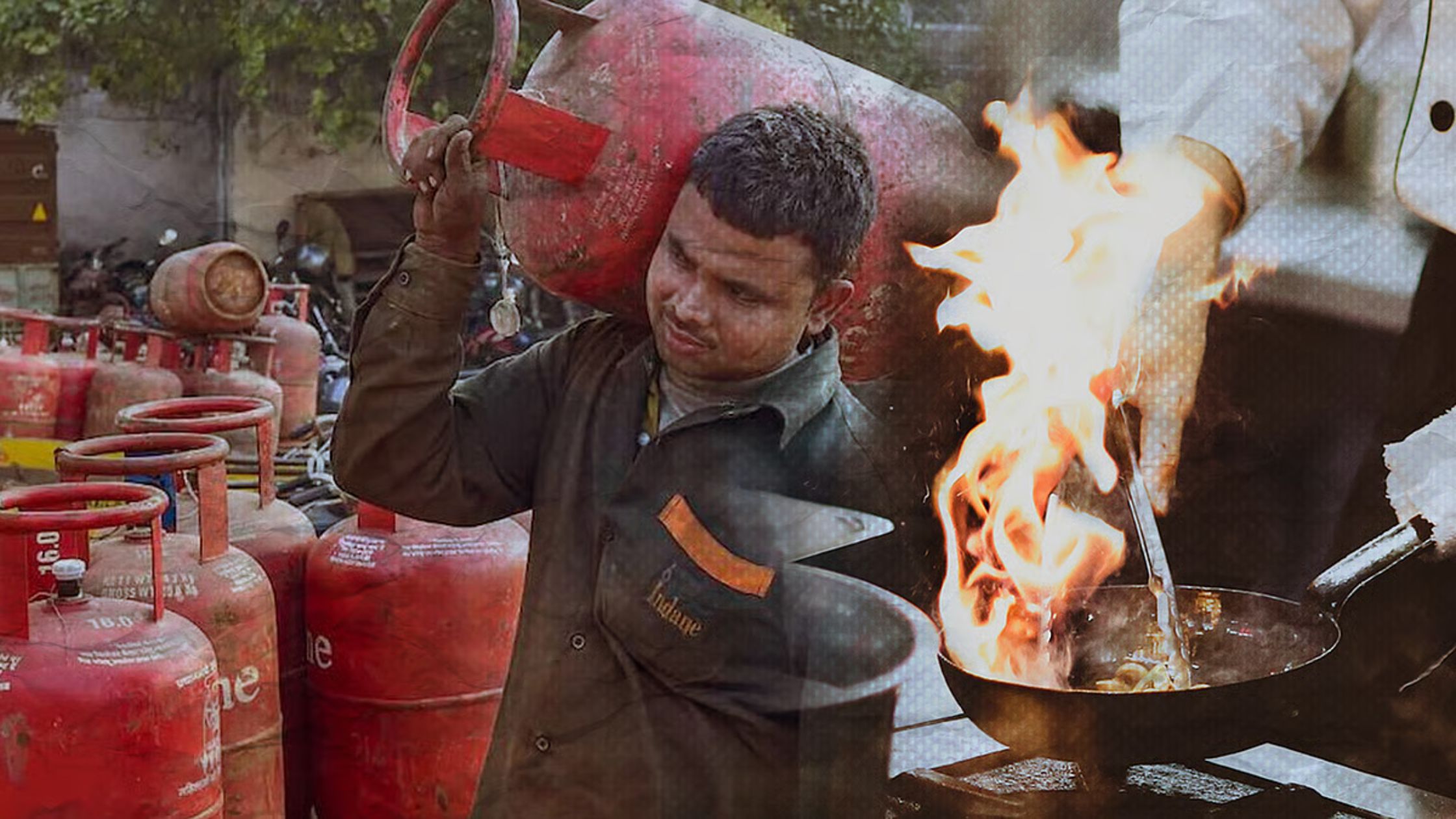
Several cities such as Mumbai, Bengaluru, and Chennai have reported problems with the supply of commercial LPG cylinders used by restaurants and hotels.
In some cases, eateries reduced menu options or shortened working hours because they could not obtain enough cooking gas.)
However, this shortage has mostly affected commercial users rather than households.
3. Rising Demand and Panic Booking
Whenever news of a shortage spreads, many consumers begin panic booking LPG cylinders, which temporarily increases demand and strains distribution systems.
Authorities have warned that this behaviour can worsen supply disruptions even if actual stock levels remain stable.
What Has the Government Said?
The Indian government has repeatedly clarified that there is no nationwide LPG crisis.
Officials have urged people not to panic, stating that India’s oil and gas supply chain remains secure.
Key government actions include:
- Increasing LPG production at refineries
- Expanding oil sourcing from more countries
- Prioritizing household LPG distribution
- Monitoring distribution to prevent hoarding
Authorities have also boosted domestic LPG production by about 25% to stabilise supply.
In addition, households have been assured that cooking gas cylinders will continue to be delivered within normal timelines.
Priority Supply: Households First
To prevent panic and protect essential needs, the government has implemented a priority allocation system.
Domestic cooking gas has been placed at the top of the priority list, along with piped natural gas and transport fuels.
This means:
- Household LPG supply is protected
- Hospitals and essential services receive priority
- Commercial sectors may face temporary adjustments
As a result, restaurants and food businesses may feel the impact before residential consumers do.
Political Reactions and Public Debate
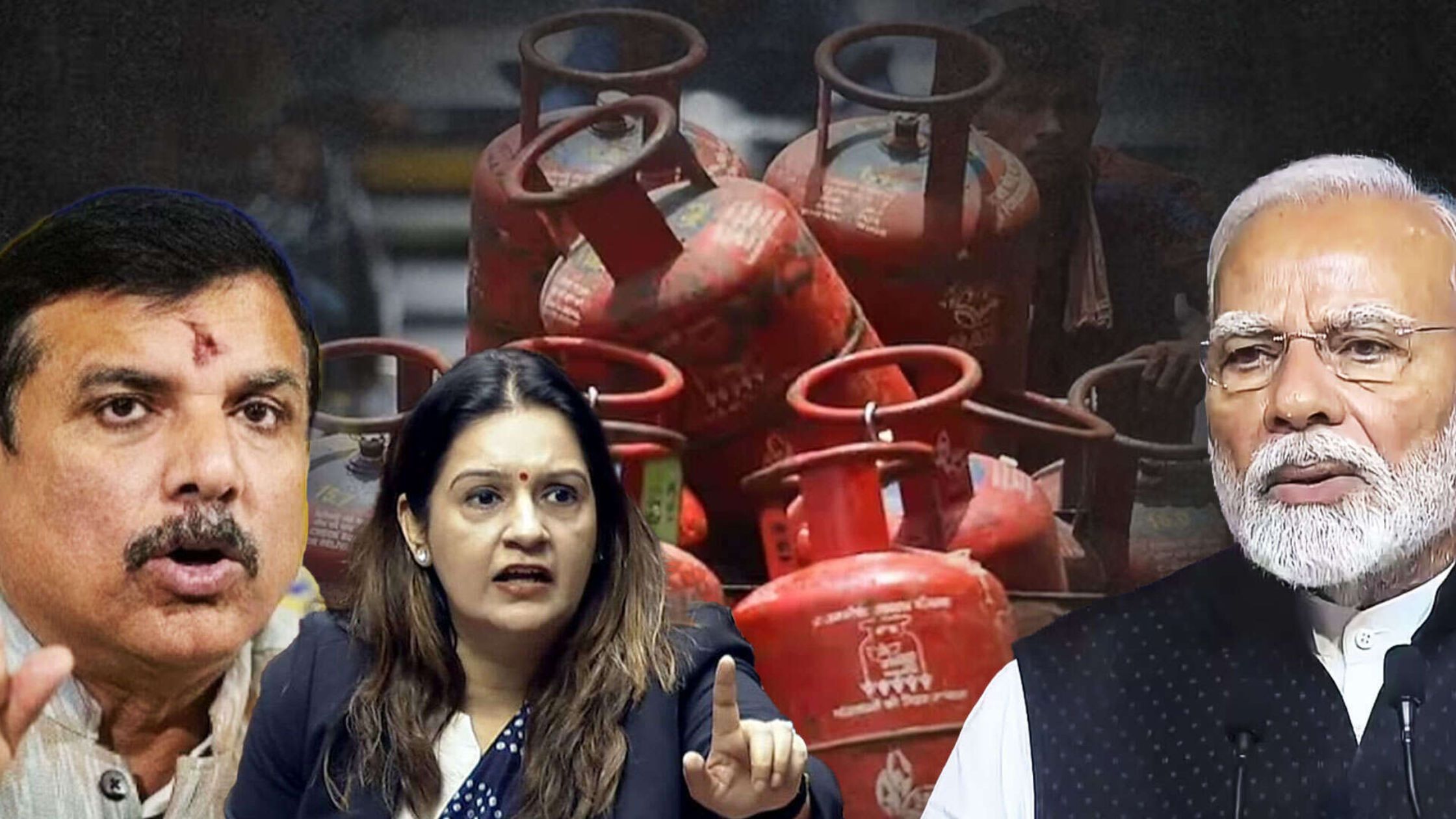
The LPG situation has also become part of a political debate.
Some opposition leaders have criticized the government’s energy management, arguing that the situation could worsen if global conflicts continue.
Meanwhile, state governments and ministers have assured citizens that domestic LPG supplies remain adequate, although disruptions in commercial cylinders have been acknowledged.
Is India Heading Toward an Energy Crisis?
At the moment, India is not facing a full-scale energy crisis, but the situation highlights several vulnerabilities.
1. Heavy Dependence on Imports
India imports a large share of its oil and LPG. Global conflicts, shipping disruptions, or price spikes can quickly affect domestic supply.
2. Growing Energy Demand
India’s population, urbanization, and economic growth are rapidly increasing energy demand. More households using LPG means supply systems must constantly expand.
3. Global Energy Instability
Geopolitical tensions, wars, and trade disruptions can affect global energy markets, influencing prices and availability.
How India Is Preparing for Future Energy Risks
To reduce risks, India has begun taking several long-term steps:
- Diversifying oil and gas imports from multiple countries
- Expanding domestic refining capacity
- Investing in renewable energy
- Developing natural gas pipelines and distribution networks
These measures aim to reduce dependence on a single region or supply chain.
What Should Consumers Do?
For households, the government and experts suggest simple steps:
- Avoid panic booking cylinders
- Use LPG responsibly and avoid wastage
- Follow official updates instead of rumours
- Report black marketing or hoarding
Responsible consumption can help prevent unnecessary supply pressure.
Conclusion
The recent reports about LPG shortages in India are partly real but somewhat exaggerated. Some cities have experienced disruptions—especially in commercial LPG supply—but the government insists there is no nationwide shortage of cooking gas for households.
Global energy tensions and supply chain uncertainties have highlighted the importance of energy security for a growing country like India. While the situation is being closely monitored, India’s immediate focus is on ensuring stable LPG supply, increasing production, and protecting domestic consumers.
The current events serve as a reminder that energy systems are deeply connected to global politics and markets. For India, the challenge ahead is not just managing temporary shortages but building a more resilient and diversified energy future.
Read more: Workplace Stress in India