

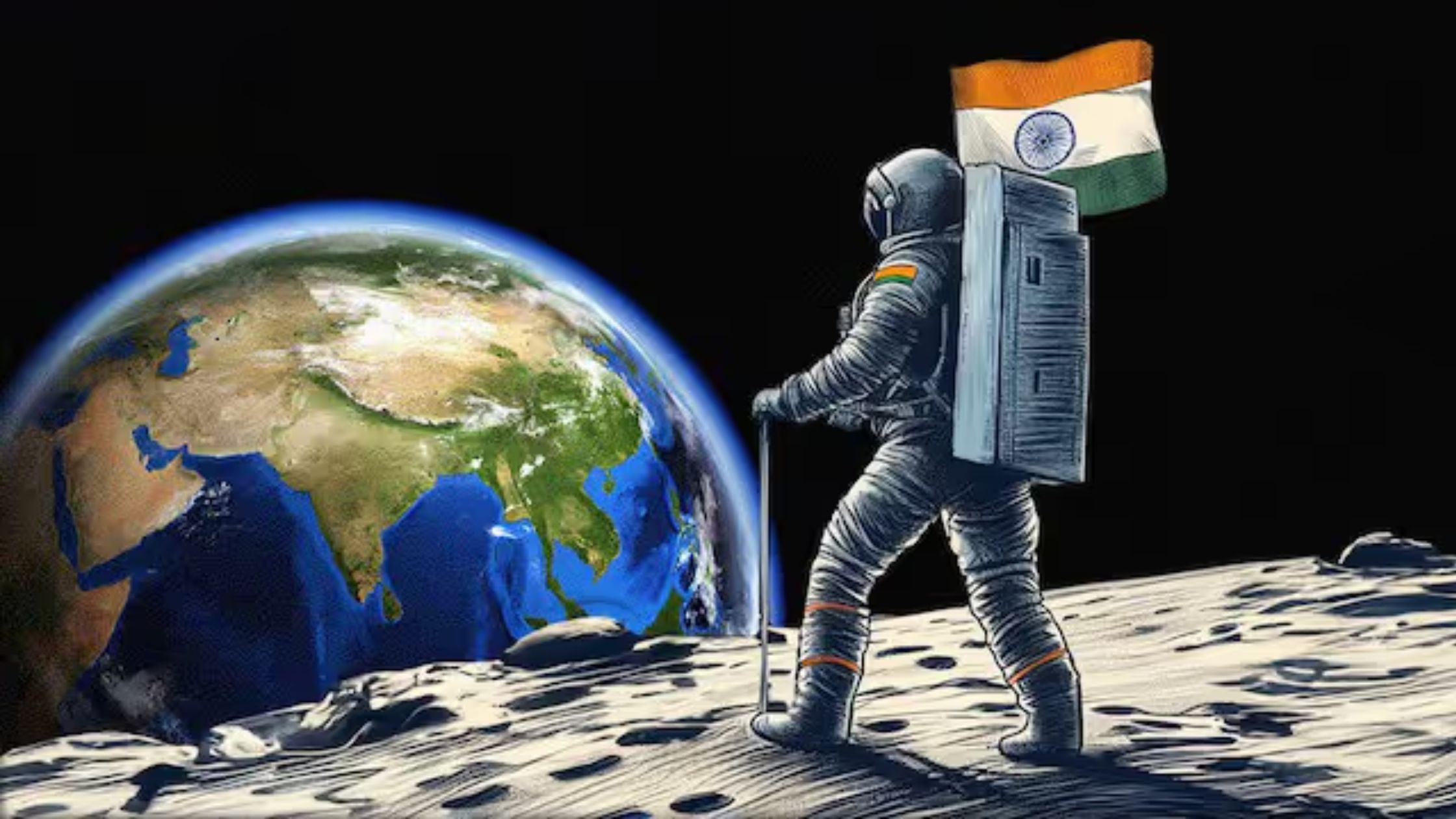
India’s space ambitions are no longer “emerging” — they’re accelerating. In 2026, ISRO is pushing into the world’s most competitive arena: satellite dominance and lunar exploration. With 133 spacecraft missions completed, a $8.4B space economy, and expanding private partnerships, India now sits at the same strategic table as NASA, CNSA, ESA, and SpaceX. What began as a scientific aspiration has evolved into geopolitical influence, resource competition, and human spaceflight stakes.
PSLV-C62 Launch: Hyperspectral Success with High Stakes
On January 12, ISRO’s PSLV-C62 deployed the cutting-edge EOS-N1 “Anvesha” hyperspectral satellite—boosting India’s surveillance, climate monitoring, and Earth observation capabilities.
A third-stage anomaly added drama, but the mission still showcased ISRO’s reliability and volume: 104 launch missions and 434 foreign satellites deployed to date.
This matters because the LEO constellation war is heating fast—where quantum communication, AI-driven routing, and reusable boosters will decide winners.
Gaganyaan: Human Spaceflight Turns Real
The Gaganyaan program is entering historic territory. Three uncrewed flights (G-1 to G-3) wrap by March 2026, clearing the runway for the crewed Gaganyaan-4 mission that could make India the fourth country to launch astronauts independently.
Government support is massive:
➡ ₹107B (FY2024) → ₹117B (FY2025 projected)
And there’s a bigger roadmap:
🛰 Indian orbital station by 2028
🌕 Lunar human mission by 2040
This shifts India from “scientific participant” to human spaceflight contender.
Lunar & Interplanetary Moves: The Next Frontier
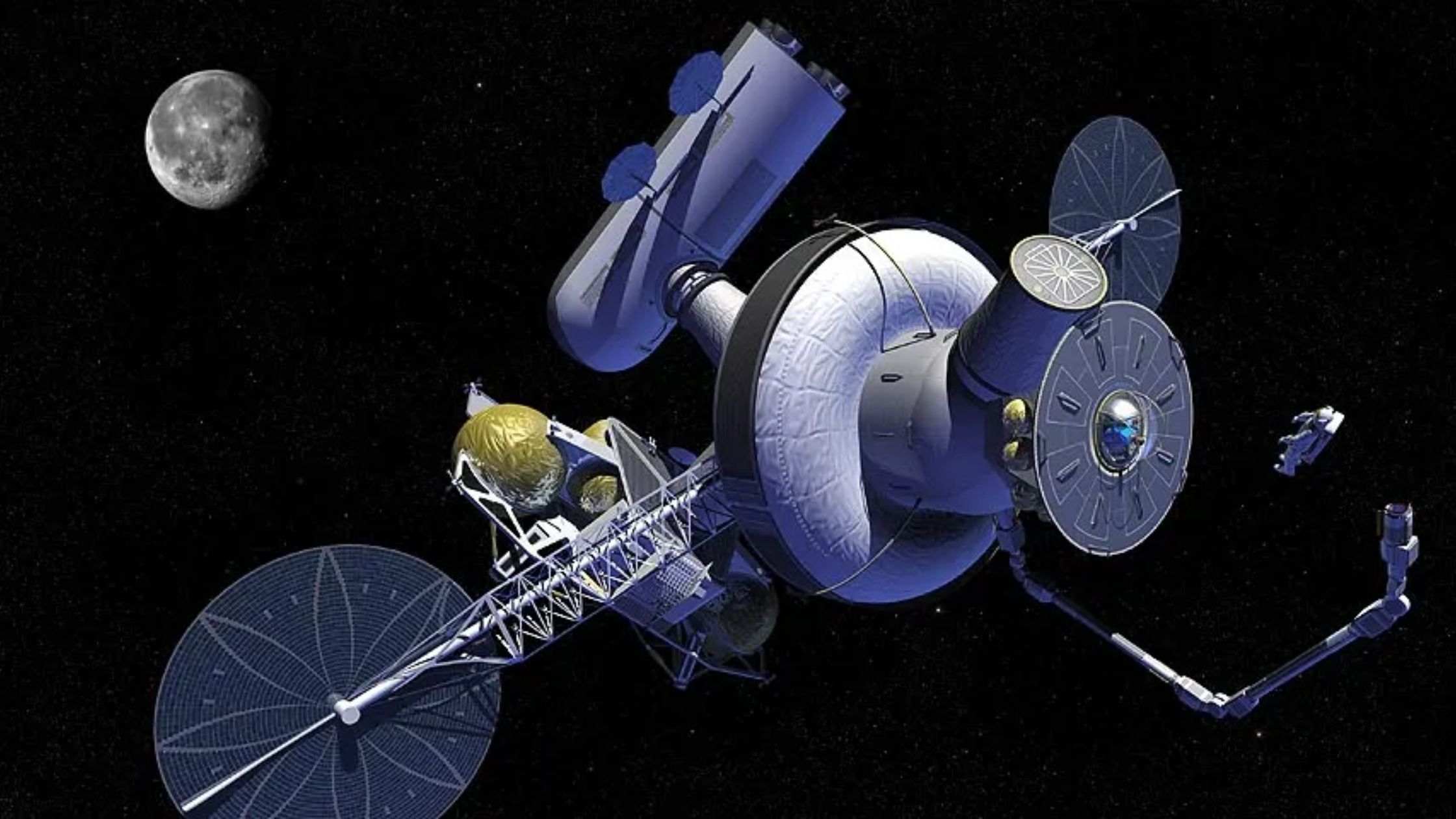
Chandrayaan-4 (2027) aims to deliver a lunar sample return, building on Chandrayaan-3’s south pole landing. Venus and Mars sample missions are also in preparation, expanding India’s planetary footprint.
The lunar race is no longer a two-player (US-China) contest — it’s becoming multipolar and far more commercial.
ISRO’s progress:
✔ 9 re-entry missions
✔ 18 private & student satellites
India now sits in the conversation about cislunar logistics, surface mapping, and resource extraction.
Economics, Industry & Soft Power
India currently holds 2% of the global space market, but analysts expect explosive growth as private players like Skyroot, Agnikul, Dhruva Space, and others enter the race.
Unlike China’s state-heavy model, India is building a cost-efficient hybrid ecosystem—fueling tech exports, skilled jobs, disaster management tools, and defense capabilities.
This gives India something rare in geopolitics:
➡ influence without confrontation
2026 Outlook: An Inflection Point
With Vikram-1 private launches, international missions, and commercial payload partnerships, 2026 is looking like the year India stops “catching up” and starts setting the pace.
Challenges remain—technical setbacks, funding pressures, and talent competition—but one thing is clear:
India isn’t just in the satellite-lunar race — it matters in the outcome.
Read more: Republic Day 2026: India’s 77th Parade Shines with EU Guests