

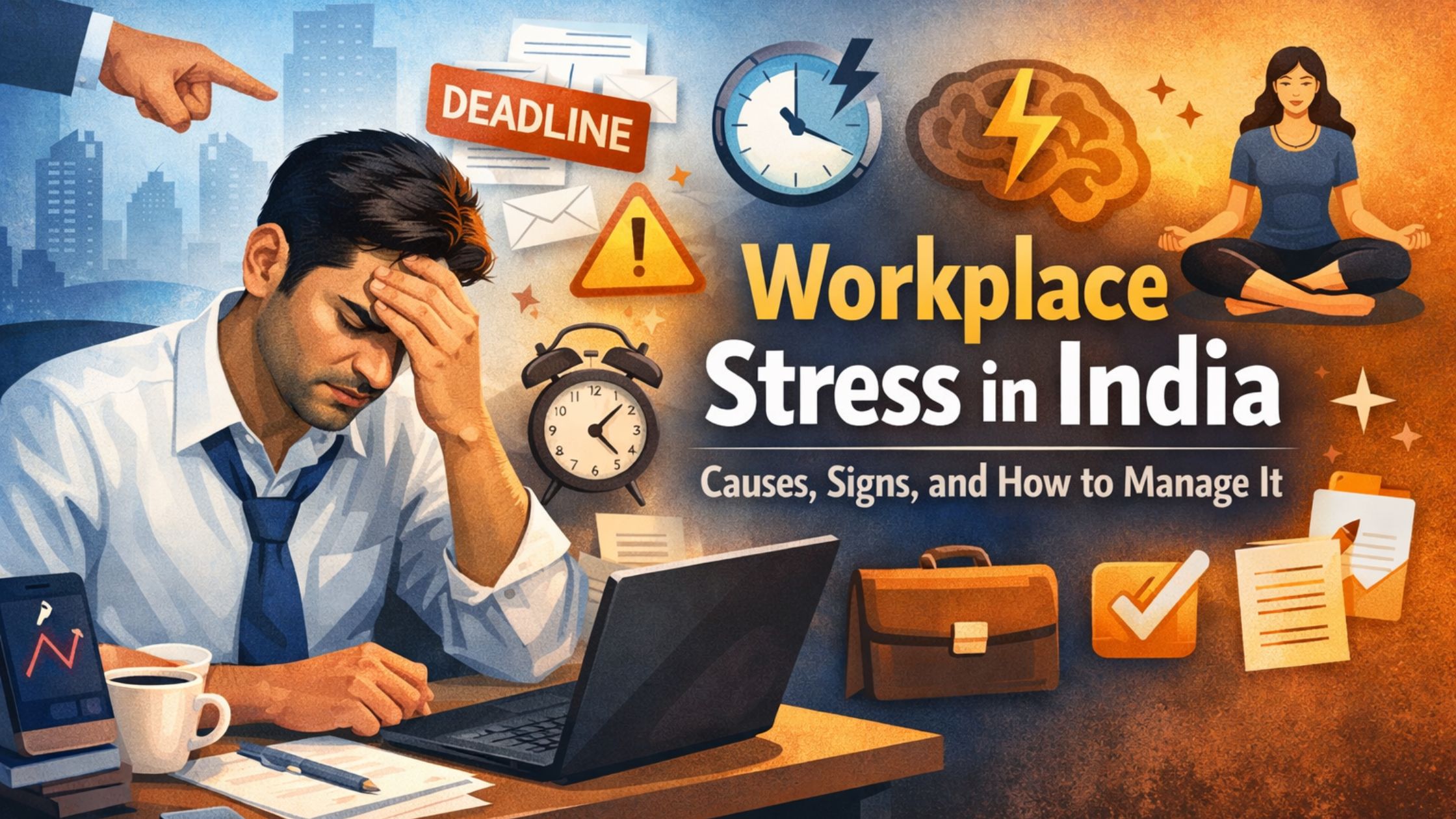
Workplace stress has become a growing concern across India as professionals juggle demanding workloads, tight deadlines, and increasing competition. From corporate offices in metro cities to small businesses and start-ups, employees often face pressures that affect both their mental and physical well-being. While a certain level of stress can motivate productivity, excessive and prolonged stress can lead to burnout, reduced performance, and serious health problems. Understanding the causes, recognizing the warning signs, and adopting effective stress management strategies can help employees maintain a healthier and more balanced professional life.
Read more: Online Work from Home Ideas
What is Workplace Stress?
Workplace stress occurs when job demands exceed a person’s ability to cope. It can arise from heavy workloads, unrealistic expectations, poor work-life balance, or conflicts within the workplace. In India, factors such as long working hours, job insecurity, and rapid technological changes have made stress a common issue among professionals.
When left unmanaged, workplace stress can affect concentration, productivity, and relationships with colleagues. Over time, it may also contribute to anxiety, depression, and other health conditions.
Common Causes of Workplace Stress in India
1. Long Working Hours
Many industries in India, particularly IT, finance, and startups, are known for extended work hours. Employees often work beyond their scheduled time to meet targets and deadlines, leaving little room for rest or personal activities.
2. High Competition and Job Pressure
With a large workforce and limited high-paying opportunities, competition in the Indian job market can be intense. Employees may constantly feel the need to outperform others to secure promotions or job stability.
3. Work-Life Imbalance
Balancing family responsibilities with professional commitments can be challenging. Many professionals struggle to find time for personal life, leading to frustration and exhaustion.
4. Job Insecurity
Economic uncertainties, company restructuring, and layoffs contribute to job-related anxiety. Fear of losing a job can cause employees to work under constant pressure.
5. Lack of Recognition
Employees who feel their efforts are not appreciated may experience dissatisfaction and stress. Recognition and appreciation play an important role in maintaining morale and motivation.
6. Poor Workplace Environment
Toxic work culture, conflicts with colleagues or managers, and lack of support from leadership can create a stressful environment.

Signs of Workplace Stress
Recognizing the early signs of workplace stress can help prevent more serious problems. Stress may show up in physical, emotional, and behavioural ways.
Physical Signs
- Frequent headaches or body pain
- Fatigue and low energy
- Sleep disturbances
- Weakened immunity
Emotional Signs
- Irritability or mood swings
- Anxiety or constant worry
- Feeling overwhelmed or helpless
- Loss of motivation
Behavioural Signs
- Decreased productivity
- Difficulty concentrating
- Increased absenteeism
- Withdrawal from colleagues or workplace activities
Identifying these signs early allows individuals to take proactive steps to manage stress before it escalates.
Effective Ways to Manage Workplace Stress
Managing workplace stress requires a combination of personal strategies and supportive workplace practices. The following methods can help professionals cope with job-related pressure more effectively.
1. Prioritize Tasks and Manage Time
Organizing daily tasks and setting realistic goals can help reduce feelings of being overwhelmed. Breaking large tasks into smaller steps makes work more manageable and less stressful.
2. Maintain Work-Life Balance
Setting boundaries between work and personal life is essential. Avoid checking emails or work messages after working hours whenever possible, and dedicate time to family, hobbies, and relaxation.
3. Practice Stress-Relief Activities
Activities such as yoga, meditation, and deep breathing exercises are widely practiced in India and can significantly reduce stress levels. Even short breaks during work can help refresh the mind.
4. Communicate with Colleagues and Managers
Open communication helps address workplace challenges. Discussing workload concerns or seeking support from managers can prevent misunderstandings and reduce pressure.
5. Take Care of Physical Health
Regular exercise, a balanced diet, and proper sleep are essential for managing stress. Physical activity helps release endorphins, which naturally improve mood and reduce stress.
6. Develop Positive Workplace Relationships
Supportive relationships with coworkers can make the work environment more enjoyable and less stressful. Collaboration and teamwork help share responsibilities and build a sense of community.
7. Seek Professional Help When Needed
If stress becomes overwhelming, consulting a counselor or mental health professional can be beneficial. Many organizations now provide employee assistance programs and mental health support.

Role of Employers in Reducing Workplace Stress
Employers play a critical role in creating a healthy work environment. Companies that prioritize employee well-being often see improved productivity and job satisfaction. Organizations can help reduce workplace stress by:
- Encouraging reasonable work hours
- Providing mental health resources
- Recognizing employee achievements
- Promoting flexible work policies
- Creating a supportive and inclusive culture
When employees feel valued and supported, they are more likely to stay motivated and engaged in their work.
Final Thoughts
Workplace stress is a common challenge faced by professionals across India, but it does not have to become overwhelming. By understanding the causes and recognizing early warning signs, individuals can take proactive steps to manage stress effectively. Building healthy habits, maintaining balance, and fostering supportive workplace environments can make a significant difference in overall well-being.
A healthy workforce leads to higher productivity, stronger professional relationships, and long-term career satisfaction. Addressing workplace stress is not only beneficial for employees but also essential for organizations aiming to create sustainable and successful workplaces.
Learn more: Best Spiritual Apps in India for Meditation, Astrology & Daily Rituals