

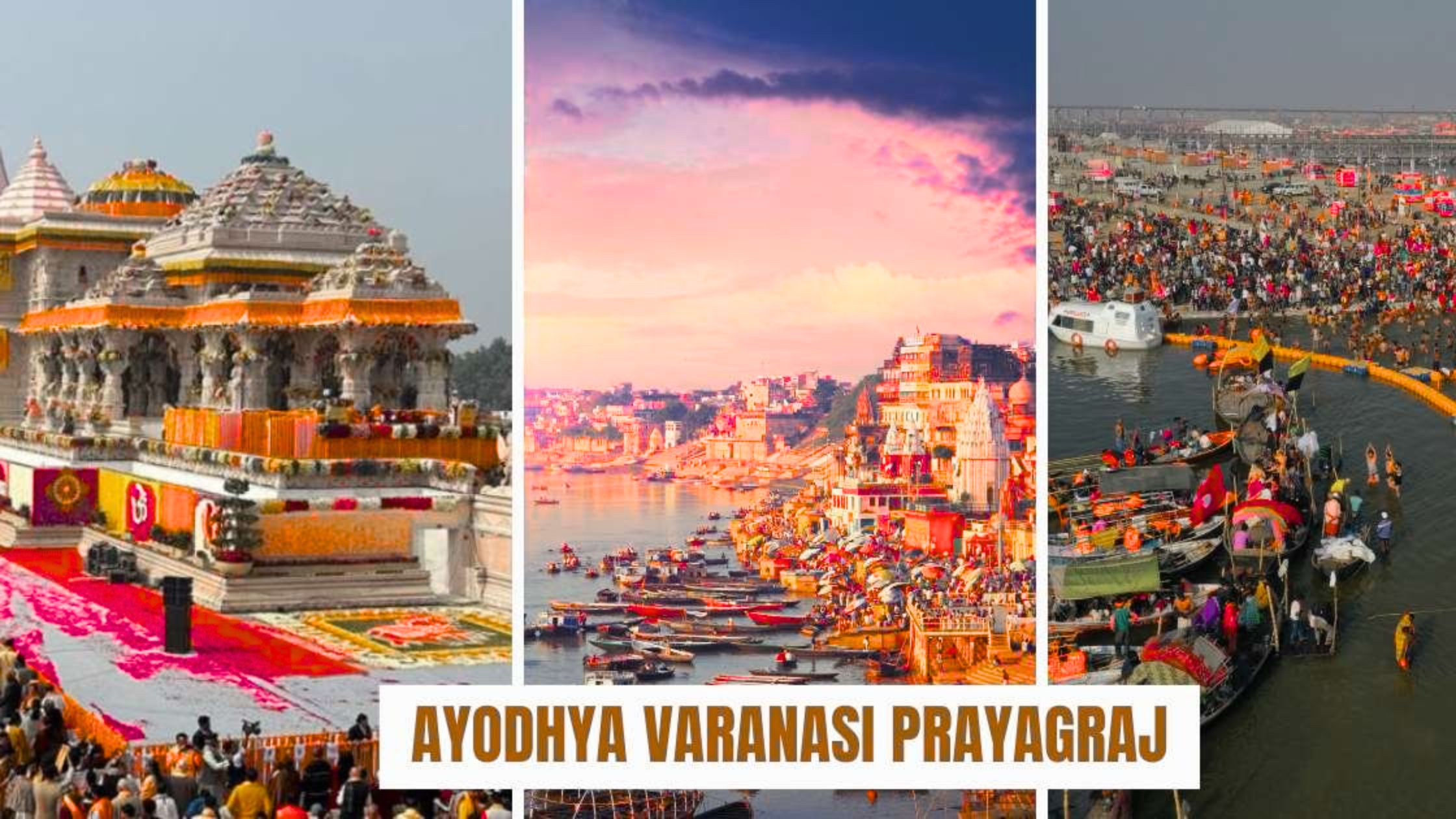
India’s spiritual tourism is witnessing an unprecedented boom — and at the heart of this transformation stand three sacred destinations: Ayodhya, Varanasi, and Prayagraj. With massive infrastructure upgrades, global visibility, and record-breaking pilgrim numbers, these cities have emerged among the most searched spiritual destinations in India in recent years.
Read more: Adventure from Chandigarh to Solan
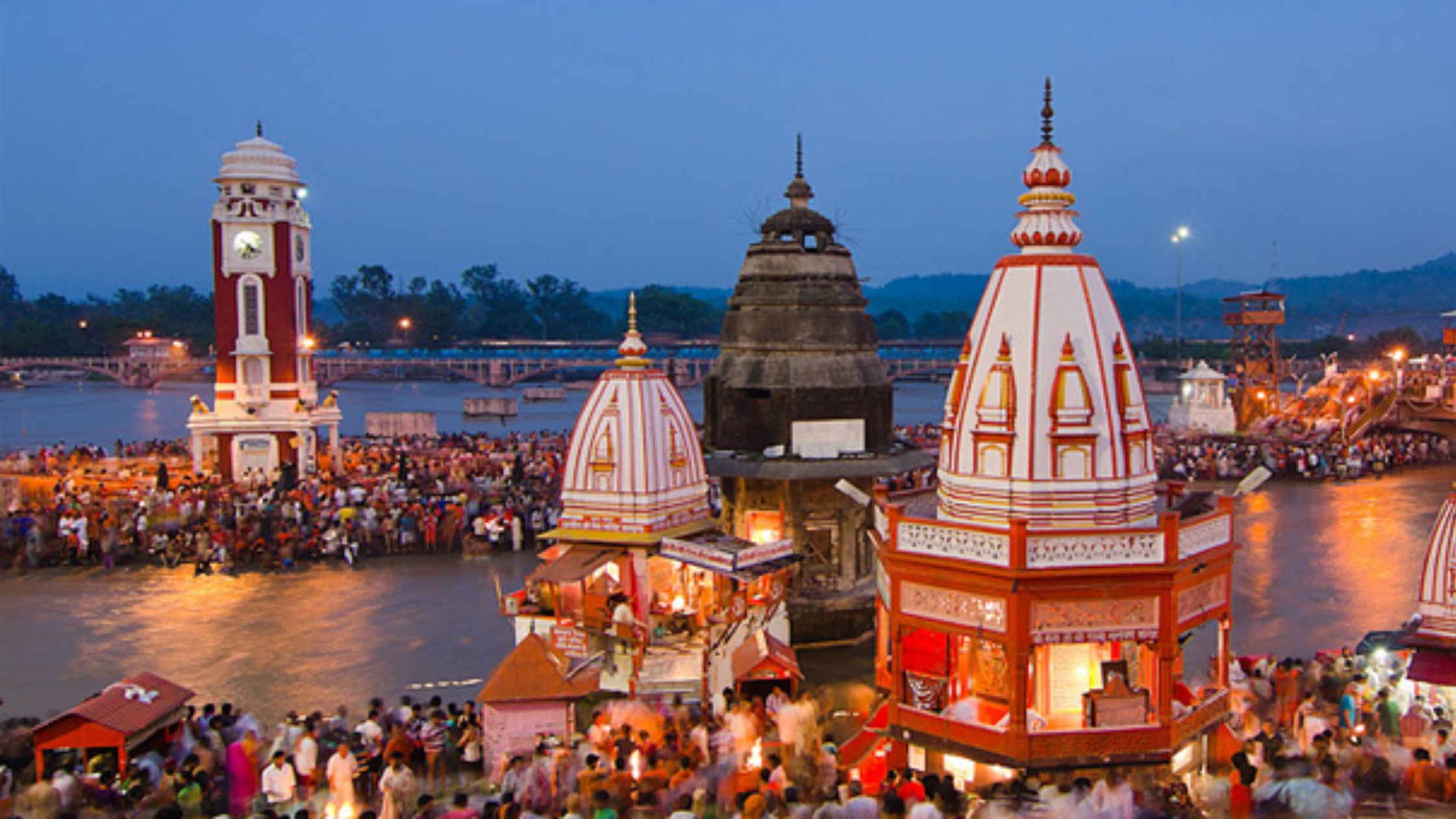
India’s Spiritual Tourism Boom: The Big Picture
Religious tourism in India has grown rapidly, with pilgrimage travel rising significantly and becoming one of the fastest-growing segments of the travel industry. Reports indicate pilgrimage tourism saw around 19–21% growth recently, driven by improved connectivity, digital awareness, and large religious events.
Uttar Pradesh, home to these three sacred cities, recorded over 137 crore domestic tourist visits in 2025, making it India’s most visited state and confirming the central role of spiritual destinations in the country’s tourism landscape.
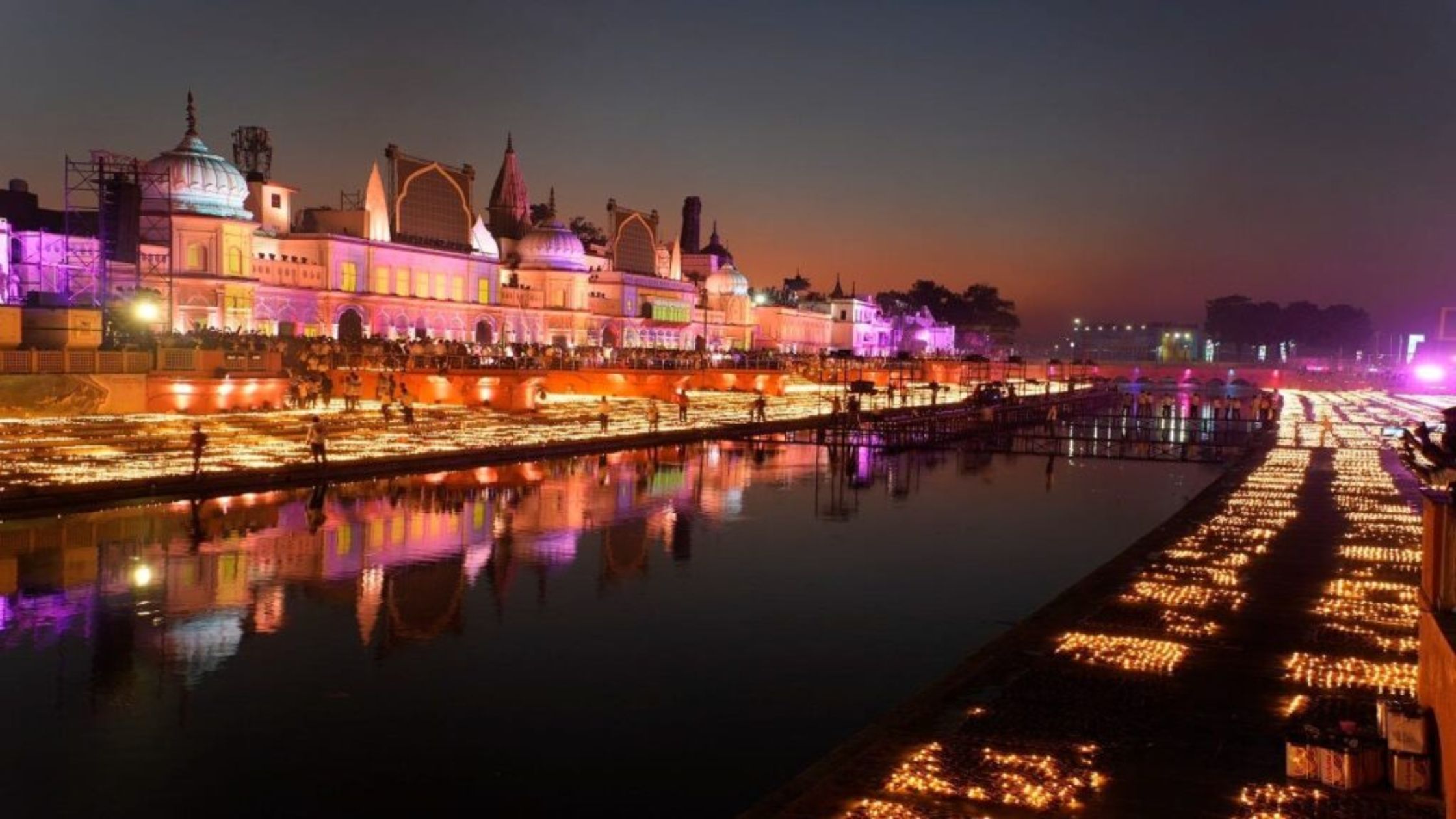
Ayodhya: The Rising Global Faith Destination
Ayodhya has rapidly transformed into one of the world’s most talked-about religious cities. The surge in pilgrimages, temple development, and improved travel infrastructure has put it at the top of spiritual search trends.
- Ayodhya recorded over 164 million (16.44 crore) visitors in 2024, making it one of India’s most visited religious destinations.
- Modern infrastructure, improved connectivity, and large-scale religious tourism initiatives have fueled consistent growth.
Today, Ayodhya represents a blend of mythology, culture, and modern pilgrimage tourism — attracting both devotees and cultural travelers worldwide.
Varanasi: The Eternal Spiritual Capital
Varanasi, often called Kashi, continues to hold its position as India’s timeless spiritual heart. With its ghats, rituals, temples, and cultural heritage, it remains one of the most searched pilgrimage destinations globally.
- The city attracted a record 7.26 crore visitors in 2025, highlighting its global spiritual appeal.
- Earlier data also shows over 11 crore tourists visited in 2024, reflecting steady growth year after year.
Major redevelopment projects, cultural corridors, and enhanced tourism facilities have further strengthened Varanasi’s global presence.
For many travelers, Varanasi is not just a destination — it’s a spiritual experience combining devotion, tradition, and living heritage.
Prayagraj: The City of Sacred Confluence
Prayagraj’s importance in spiritual tourism lies in the holy Sangam — the confluence of the Ganga, Yamuna, and the mythical Saraswati rivers.
The city witnessed historic religious gatherings:
- The Maha Kumbh 2025 alone attracted over 66 crore devotees, one of the largest religious congregations in human history.
- During Magh Mela 2026, authorities operated over 1,000 special trains to manage the enormous pilgrim influx, showing the city’s continued religious significance.
Such massive events consistently keep Prayagraj among India’s most searched spiritual destinations, especially during festival seasons.
Learn more: Bhajan Clubbing in India
Why These Three Cities Dominate Search Trends
1. Mega Religious Events
Large-scale gatherings like Kumbh Mela and temple inaugurations attract millions, boosting both travel bookings and online searches.
2. Infrastructure Transformation
New airports, highways, corridors, and riverfront redevelopment projects have made these cities more accessible than ever.
3. Cultural & Economic Impact
Together, major religious cities in Uttar Pradesh account for a large share of tourism and visitor numbers, significantly driving local employment and economic growth.
4. Rise of Spiritual Travel Among Youth
Spiritual tourism is no longer limited to elderly pilgrims. Younger travelers increasingly seek meaningful, cultural, and experiential journeys — making these cities trend on search engines and social media.
The Spiritual Triangle Powering India’s Tourism Future
Ayodhya, Varanasi, and Prayagraj are often described as a powerful spiritual cluster shaping India’s cultural tourism narrative. Their combined appeal — mythology, rituals, sacred rivers, and historic temples — makes them central to India’s growing “faith tourism economy.”
As spiritual tourism continues to expand, these cities are expected to remain among the most searched, visited, and culturally influential destinations in India.
Conclusion
India’s spiritual tourism story is entering a new era, and Ayodhya, Varanasi, and Prayagraj are leading this transformation. Record pilgrim numbers, global attention, and rapid development have elevated them from traditional pilgrimage towns to modern spiritual tourism hubs.
For travelers seeking faith, culture, or deeper experiences, these sacred cities represent not only India’s religious heritage but also the future of its tourism growth.
Read more: How Young Indians Use Astrology for Career, Marriage & Life Decisions